
Introduction
Have you ever watched someone build a business from nothing and wondered how they actually pulled it off? Learning how to be an entrepreneur is not about luck or having a rich uncle. It is about mindset, skill, and consistent action. Most people think entrepreneurship starts with a genius idea, but that is a myth. It actually starts with a decision to solve a real problem for real people.
In this article, you will learn what it truly takes to become an entrepreneur, the skills you need to build, common mistakes to avoid, and answers to the questions people search for most. Whether you want to launch a small side hustle or build the next big company, this guide gives you a clear, practical path forward.
By the end, you will understand exactly how to be an entrepreneur step by step, without the fluff.
What Does It Mean To Be An Entrepreneur?
An entrepreneur is someone who identifies a problem, builds a solution, and takes on financial risk to bring that solution to the market. According to the Global Entrepreneurship Monitor, over 100 million businesses are started every year worldwide. That number shows entrepreneurship is not rare, but doing it successfully takes real strategy.
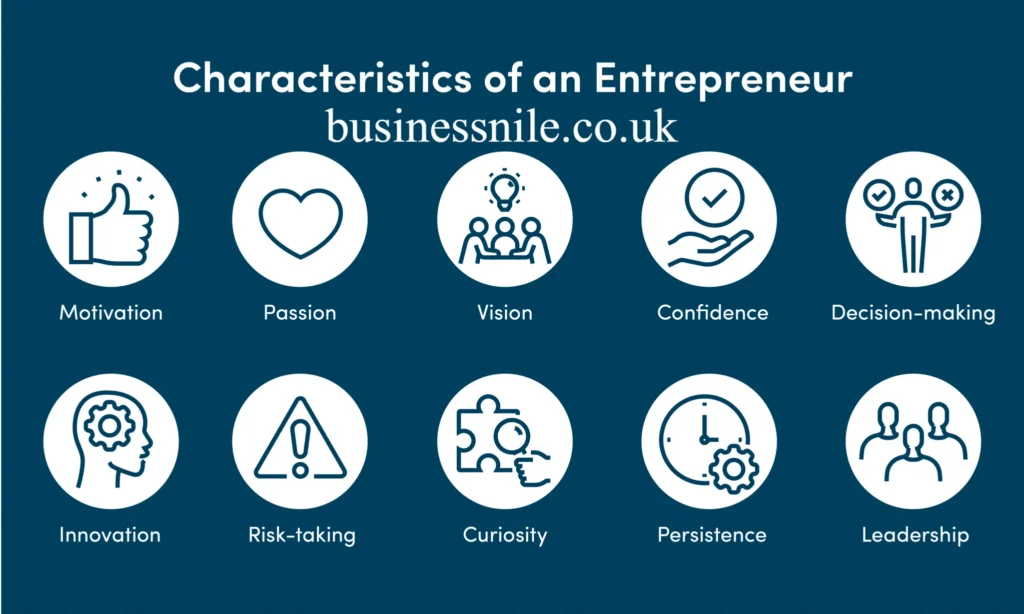
Understanding how to be an entrepreneur starts with knowing the core traits successful founders share:
- Problem solving ability
- Comfort with uncertainty
- Willingness to learn fast
- Strong communication skills
- Financial discipline
If you already relate to a few of these, you are closer to entrepreneurship than you think.
How To Be An Entrepreneur: Step By Step Guide
Learning how to be an entrepreneur becomes much easier when you break it into clear stages instead of trying to do everything at once.
1. Find A Real Problem Worth Solving
Every successful business begins with a problem. Ask yourself what frustrates people daily. Talk to potential customers before building anything. According to CB Insights research, 35 percent of startups fail because there is no market need for their product. That single statistic proves why validation matters more than a flashy idea.
2. Build A Simple, Testable Plan
You do not need a fifty page business plan. You need a one page summary covering your idea, target customer, and revenue model. Keep it simple so you can adjust quickly.
3. Start Small And Test Fast
Successful entrepreneurs launch small versions of their idea to test demand. This could be a landing page, a simple prototype, or even a manual service. Speed matters more than perfection at this stage.
4. Learn Basic Financial Management
Cash flow problems shut down more businesses than bad ideas do. You must learn budgeting, pricing, and profit margins early. Many first time founders lose momentum simply because they run out of money before their idea gains traction.
5. Build A Support Network
Entrepreneurship can feel lonely. Surround yourself with mentors, peers, and communities who understand the journey. I personally found that talking to other founders helped me avoid mistakes I would have otherwise made blindly.
6. Stay Consistent And Adapt
Markets change. Customer needs shift. The entrepreneurs who survive are the ones who adapt quickly instead of clinging to their original plan.
Key Skills You Need To Become A Successful Entrepreneur
| Skill | Why It Matters | How To Improve It |
|---|---|---|
| Problem Solving | Helps you fix issues fast | Practice with real business case studies |
| Financial Literacy | Prevents cash flow failure | Take basic accounting courses |
| Communication | Builds trust with customers and investors | Practice public speaking and writing |
| Time Management | Increases daily productivity | Use task prioritization systems |
| Resilience | Helps you recover from failure | Reflect on setbacks and adjust strategy |
This table shows why learning how to be an entrepreneur is really about developing skills, not just chasing an idea.
Common Mistakes New Entrepreneurs Make
Many people ask how to be an entrepreneur without repeating common failures. Here are the biggest mistakes to avoid:
- Skipping market research before launching
- Spending too much on branding before validating demand
- Trying to do everything alone instead of delegating
- Ignoring customer feedback
- Underpricing products or services out of fear
Avoiding these mistakes alone can save you months of wasted effort.
What Experts Say About Entrepreneurship
Business experts consistently highlight that action beats perfection. Many successful founders, including well known voices from platforms like Harvard Business Review, emphasize that execution speed and customer feedback loops matter more than a polished business plan. Data from the Kauffman Foundation also shows that entrepreneurs who continuously test and adjust their offer are significantly more likely to survive their first three years in business.
This confirms a simple truth. Learning how to be an entrepreneur is less about theory and more about doing, testing, and improving.
How Long Does It Take To Become A Successful Entrepreneur?
There is no fixed timeline. Some entrepreneurs see traction within months, while others take years to find the right product market fit. On average, most sustainable businesses take between two and five years to become stable and profitable. Patience combined with consistent action is what truly separates long term winners from those who quit too early.
Conclusion
Understanding how to be an entrepreneur is not about waiting for the perfect idea. It is about solving real problems, testing quickly, managing money wisely, and staying consistent even when results feel slow. You do not need to have everything figured out before you start. You simply need to take the first step and keep learning as you grow.
If this guide helped you understand how to be an entrepreneur more clearly, share it with someone who dreams of starting their own business. What is stopping you from taking your first step today?
Frequently Asked Questions
1. What is the first step in learning how to be an entrepreneur? The first step is identifying a real problem people are willing to pay to solve.
2. Do I need money to become an entrepreneur? No. Many businesses start with minimal investment using free tools and small tests before scaling.
3. Can anyone learn how to be an entrepreneur? Yes. Entrepreneurship is a skill set that can be learned through practice, feedback, and experience.
4. What is the biggest reason startups fail? Lack of market need is the leading cause, followed by poor cash flow management.
5. Should I quit my job to become an entrepreneur? Not immediately. Many successful founders test their idea part time before going full time.
6. How important is networking for entrepreneurs? Very important. A strong network provides mentorship, support, and valuable business opportunities.
7. What mindset do successful entrepreneurs have? They stay adaptable, view failure as feedback, and focus on continuous improvement.
8. Is a business degree necessary to become an entrepreneur? No. Many successful entrepreneurs are self taught through experience and practical learning.
Also Read
About The Author: Hamid Ali is a business writer who focuses on entrepreneurship, startup growth, and practical career advice. He enjoys breaking down complex business ideas into simple, actionable steps that help everyday readers turn their ambitions into real results.
Author Name: Hamid Ali
Email: johanharwen314@gmail.com