If you’re comparing marketing automation tools, you probably want to know three things: what’s worth considering, how the options differ, and which one fits your budget and team size. This guide covers all three. It organizes the tools by use case rather than by a single ranking, because the best choice for a ten-person eCommerce shop is rarely the best choice for a global B2B company.
Information reflects what was publicly available as of October 2026. Features, plan names, and pricing change frequently, so confirm details on each vendor’s website.
What Are Marketing Automation Tools?
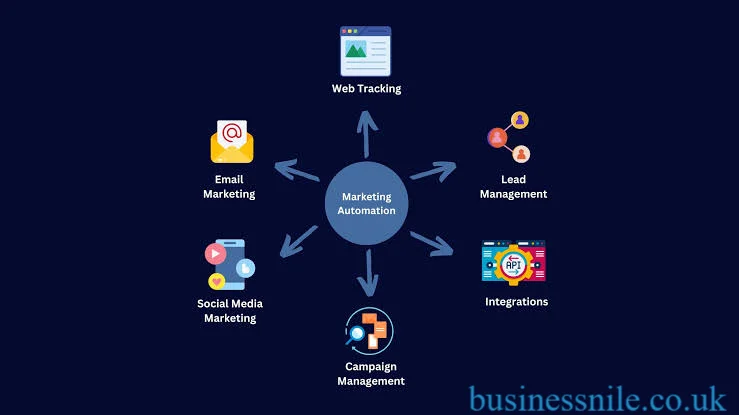
Marketing automation tools are software platforms that run repetitive marketing tasks, such as sending emails, scoring leads, and posting content, based on rules or customer behavior. Instead of manually emailing every new subscriber, you build a workflow once, and the platform handles it every time someone meets the conditions.
Most platforms share the same building blocks:
- Triggers and actions: a form submission, purchase, or page visit starts a chain of steps.
- Branching logic: the workflow splits depending on what a contact does, such as opening an email or ignoring it.
- Contact management and segmentation: customer data is organized into audiences you can target precisely.
- Reporting and analytics: dashboards show which campaigns drive revenue.
What Can You Actually Automate?
The most common uses fall into a few categories:
- Lead nurturing: drip email campaigns and email sequences that guide prospects through the sales funnel.
- Lead management: lead scoring and automatic routing so sales reps see the warmest contacts first.
- Abandoned cart automation: reminder emails or texts when a shopper leaves items behind.
- Customer retention: post-purchase follow-ups, replenishment reminders, and win-back campaigns.
- Multichannel messaging: coordinating email, SMS marketing, and social posts so customers get one consistent journey.
Which Are the Best Marketing Automation Tools in 2026?
The strongest all-round options are HubSpot, ActiveCampaign, and Klaviyo, but the right pick depends on your business model. Here is a quick comparison before the details.
| Tool | Best for | Standout strength |
|---|---|---|
| HubSpot Marketing Hub | Growing B2B and B2C teams | Built-in CRM and AI assistants |
| ActiveCampaign | Small to mid-size businesses | Deep workflow builder and segmentation |
| Klaviyo | eCommerce brands | Store-data triggers for email and SMS |
| Mailchimp | Beginners | Easy setup and familiar interface |
| Brevo | Budget-conscious teams | Email, SMS, and CRM in one tool |
| Zapier | Connecting apps | Thousands of third-party integrations |
| Adobe Marketo Engage | Large B2B enterprises | Complex lead lifecycle management |
| Salesforce Marketing Cloud Account Engagement | Salesforce-centered sales teams | Native CRM alignment |
| Omnisend | Online stores | Omnichannel flows with templates |
| Customer.io | Product-led and SaaS companies | Behavior-based messaging |
Top 10 Marketing Automation Tools: Short Reviews
1. HubSpot Marketing Hub. HubSpot pairs email, landing pages, and workflows with its own CRM, so marketing and sales share one record of each contact. Its AI layer, branded Breeze, covers content drafting and AI agents for tasks like customer support and prospecting. A free tier exists, which makes it a common starting point.
2. ActiveCampaign. Known for its flexible automation builder, ActiveCampaign handles branching, lead scoring, and behavioral triggers well. It suits teams that want sophisticated customer journeys without enterprise complexity.
3. Klaviyo. Klaviyo connects tightly to platforms like Shopify, turning purchase and browsing activity into targeted email and SMS. For eCommerce marketing, its segmentation based on actual store data is hard to beat.
4. Mailchimp. Mailchimp, owned by Intuit, remains popular for simple email marketing automation. It’s a gentle entry point, though advanced users sometimes outgrow its logic options.
5. Brevo. Formerly Sendinblue, Brevo bundles email, SMS, WhatsApp, and basic CRM features. It often appeals to smaller teams watching costs.
6. Zapier. Zapier isn’t a full marketing platform. It’s the connective tissue between your tools, moving data from a form to a CRM to a spreadsheet to Slack without code. It also offers AI-driven features for building automations.
7. Adobe Marketo Engage. Marketo is built for large B2B organizations running complex programs, account-based marketing, and detailed lead lifecycles. Expect a heavier implementation and a dedicated marketing operations owner.
8. Salesforce Marketing Cloud Account Engagement. Formerly Pardot, it fits companies already running Salesforce as their CRM, since lead and opportunity data flow natively between marketing and sales.
9. Omnisend. Omnisend focuses on online retailers, with ready-made automation templates for welcome series, cart recovery, and post-purchase flows across email and SMS.
10. Customer.io. Customer.io triggers messages from in-product behavior, which makes it a favorite among SaaS and app companies that care more about usage events than newsletters.
Which Marketing Automation Tools Use AI?
Most major platforms now include AI, usually for writing copy, suggesting send times, predicting customer behavior, or building workflows from a plain-language prompt. The newer shift is toward AI agents that complete multi-step tasks, not just generate text.
A few examples worth knowing:
- HubSpot (Breeze): content assistance and agents for customer-facing tasks.
- Zapier: AI-assisted automation building and agent features.
- Jasper: a content-focused AI platform for on-brand copy at scale.
- Chatfuel: conversational AI for chatbots on messaging channels.
- Smartly.io: automation for creating and optimizing paid social campaigns.
- Brand24: social listening that monitors brand mentions and sentiment.
Our take: AI works best when it handles drafts, variations, and data crunching while a human sets strategy and approves anything customer-facing. Tools that promise fully hands-off marketing deserve skepticism, especially around brand voice and compliance.
What Are the Best Marketing Automation Tools for Small Business?
For small businesses, ActiveCampaign, Brevo, Mailchimp, and HubSpot’s free tools are the most practical starting points. They offer lower entry costs, templates, and simpler setup than enterprise systems.
Small teams should prioritize:
- A simple workflow builder with ready-made templates
- Built-in contact management so you don’t need a separate CRM at first
- Email plus SMS in one place
- Responsive support and clear onboarding
Start with two or three automations: a welcome sequence, a lead follow-up, and an abandoned cart or re-engagement flow. Expand only after those are performing.
Are There Free Marketing Automation Tools?
Yes. HubSpot, Mailchimp, Brevo, and Zapier all offer free plans, though they limit contacts, sends, or automation steps. Free plans are useful for testing, but check the limits on automated workflows, since basic sends are often free while multi-step automation sits behind a paid tier. Terms change, so verify before committing.
What Are the Best Social Media Marketing Automation Tools?
Buffer, Hootsuite, Sprout Social, and Later are widely used for scheduling and managing social posts. They handle publishing across networks, content calendars, and reporting. Pair them with a listening tool like Brand24 to track conversations, and with Smartly.io if paid social is a major channel. Note that social automation should support engagement, not replace it. Scheduled posts still need real responses to real comments.
How Do You Choose the Right Marketing Automation Tool?
Match the tool to your business model, existing marketing stack, and team capacity, not to the longest feature list. Work through these questions:
- What is your primary goal? Lead generation, retention, and eCommerce revenue point to different tools.
- What does it need to connect to? Check CRM integration and third-party integrations first. A tool that doesn’t sync with your CRM creates manual work.
- How complex are your journeys? If you need extensive branching, scoring, and multi-channel logic, avoid overly basic tools.
- Who will run it? Enterprise platforms often require specialist marketing operations staff.
- How will you measure success? Look for conversion tracking, attribution, and clear marketing metrics.
- What is the total cost? Contact-based pricing can climb quickly as your list grows.
A practical tip: run a short pilot with one real campaign before signing an annual contract.
What Are the Benefits of Marketing Automation?
The real gains come from consistency and speed:
- Leads get automated follow-up within minutes instead of days.
- Personalized marketing becomes feasible at scale.
- Sales teams spend time on qualified leads.
- Reporting shows which channels and messages produce revenue.
- Marketers spend less time on repetitive tasks and more on strategy.
Results depend on list quality and strategy, though. Automation amplifies what you already do. A weak offer sent automatically is still a weak offer.
What Is the Future of Marketing Automation?
Expect three trends to continue. First, AI agents will take on more campaign setup and optimization. Second, unified customer data will matter more as platforms try to connect marketing, sales, and service in one system. Third, privacy rules and the decline of third-party tracking will push brands toward first-party data and consent-based messaging. The practical advice is to keep your customer data clean and well-organized now, since every AI feature depends on it.
Frequently Asked Questions
Marketing automation tools list
Popular options include HubSpot, ActiveCampaign, Klaviyo, Mailchimp, Brevo, Zapier, Adobe Marketo Engage, Salesforce Marketing Cloud Account Engagement, Omnisend, and Customer.io. They range from beginner-friendly to enterprise-grade.
Top 10 marketing automation tools
Ten widely used platforms are HubSpot Marketing Hub, ActiveCampaign, Klaviyo, Mailchimp, Brevo, Zapier, Adobe Marketo Engage, Salesforce Marketing Cloud Account Engagement, Omnisend, and Customer.io. The best one depends on your business type, budget, and CRM.
Marketing automation tools examples
Examples include Klaviyo for eCommerce email and SMS, HubSpot for combined marketing and CRM, Zapier for connecting apps, and Buffer for social scheduling. Each automates a different part of the marketing process.
Marketing automation tools AI
Many platforms now include AI. HubSpot offers Breeze assistants and agents, Zapier provides AI-assisted automation building, and Jasper generates marketing copy. Most AI features help with drafting, personalization, and optimization, and still benefit from human review.
Best marketing automation tools
HubSpot, ActiveCampaign, and Klaviyo are among the strongest overall. Choose HubSpot for an all-in-one platform, ActiveCampaign for advanced workflows, and Klaviyo for online stores.
Marketing automation tools for small business
ActiveCampaign, Brevo, Mailchimp, and HubSpot’s free tools are good starting points. They offer templates, built-in contact management, and manageable setup for small teams.
Free marketing automation tools
HubSpot, Mailchimp, Brevo, and Zapier offer free plans with usage limits. Free tiers suit testing, but multi-step automation is often restricted, so check current limits.
Social media marketing automation tools
Buffer, Hootsuite, Sprout Social, and Later handle scheduling and reporting across social networks. Brand24 adds brand monitoring, and Smartly.io supports paid social campaigns.
Author Bio: Hamid Ali is a technology and digital marketing writer covering marketing automation, AI tools, SEO, and business software. He focuses on practical, easy-to-understand guides that help businesses choose and use digital tools effectively.
Author Name: Hamid Ali
Email: johanharwen314@gmail.com
Also Read: