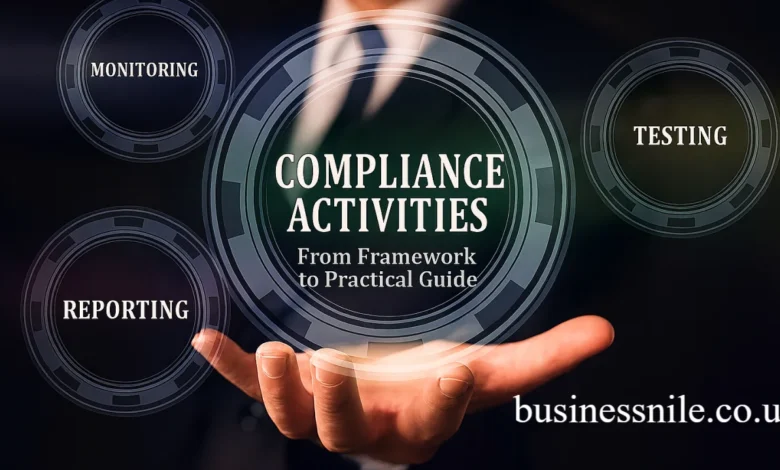
What Is Compliance Monitoring?
Compliance monitoring is the ongoing process of checking whether your business follows laws, regulations, and internal policies. It helps you catch problems early instead of paying for them later.
Have you ever wondered why some companies get hit with massive fines while others sail through audits without a scratch? The difference usually comes down to one thing. Strong compliance monitoring.
I have seen businesses lose millions simply because nobody was watching the rules closely enough. That is a scary thought, right? The good news is that compliance monitoring does not have to be complicated or expensive. It just needs to be consistent.
In this article, you will learn what compliance monitoring really means, why it matters so much in 2026, and how you can set up a system that actually works. You will also find real statistics, expert opinions, and answers to the questions people ask most often.
Let us break it down step by step.
Why Does Compliance Monitoring Matter So Much?
Regulations change constantly. New data privacy laws, financial rules, and industry standards appear almost every year. Without proper compliance monitoring, your business could break a rule without even knowing it.
Here is why this matters:
- Regulatory bodies issued billions of dollars in fines last year across industries like finance, healthcare, and technology.
- A single compliance failure can damage your brand reputation for years.
- Employees and customers trust companies that take rules seriously.
- Early detection through compliance monitoring saves money compared to fixing violations after they happen.
According to compliance experts at Deloitte, organizations that invest in continuous compliance monitoring reduce regulatory penalties by a significant margin compared to those relying on annual audits alone. Waiting once a year to check your compliance status is like checking your car brakes only once every twelve months. It is risky.
How Does Compliance Monitoring Actually Work?
Compliance monitoring works through a mix of technology, people, and processes. It is not just software running in the background. It is a full system.
Step 1: Identify the Rules That Apply to You
Every industry has different requirements. A hospital follows different rules than a bank. Start by listing every regulation, law, and internal policy that applies to your business.
Step 2: Set Clear Monitoring Metrics
You cannot monitor what you cannot measure. Decide what counts as a red flag. This could be late filings, unusual transactions, or missing documentation.
Step 3: Use the Right Tools
Modern compliance monitoring tools use automation to flag issues in real time. Companies like MetricStream and NAVEX Global build platforms specifically for this purpose. Automated tools reduce human error and speed up detection.
Step 4: Assign Responsibility
Someone needs to own the process. Whether it is a compliance officer or a dedicated team, accountability keeps compliance monitoring from becoming a forgotten task.
Step 5: Review and Report Regularly
Weekly or monthly reviews keep your compliance monitoring sharp. Reports should go to leadership so decisions get made quickly when something looks wrong.
Types of Compliance Monitoring You Should Know
Not all compliance monitoring looks the same. Here is a quick breakdown:
| Type of Monitoring | What It Covers | Common Industries |
|---|---|---|
| Regulatory Compliance Monitoring | Government laws and industry regulations | Finance, healthcare, energy |
| Internal Policy Monitoring | Company rules and employee conduct | All industries |
| Financial Compliance Monitoring | Transactions, audits, fraud detection | Banking, insurance |
| Data Privacy Monitoring | Handling of personal and customer data | Tech, retail, healthcare |
| Environmental Compliance Monitoring | Pollution limits and safety standards | Manufacturing, energy |
Each type requires slightly different tools, but the core goal stays the same. Catch problems before they grow into disasters.
Real Statistics That Prove Compliance Monitoring Works
Numbers tell a powerful story. Here are a few worth remembering.
- Businesses using automated compliance monitoring detect violations up to 60 percent faster than those relying on manual checks.
- Nearly half of all compliance failures happen because of outdated or missing monitoring processes, according to industry surveys.
- Companies with mature compliance monitoring programs report fewer repeat violations year over year.
These numbers are not just statistics. They represent real money saved and real jobs protected.
What Do Experts Say About Compliance Monitoring?
Compliance professionals agree on one thing. Waiting is dangerous. As one senior risk consultant put it during a recent industry panel, continuous compliance monitoring is no longer optional for companies that want to survive regulatory scrutiny.
I personally believe the biggest mistake businesses make is treating compliance monitoring as a checkbox exercise. It should feel like a habit, similar to brushing your teeth. You do it daily, not once a year before a big event.
Common Mistakes Businesses Make With Compliance Monitoring
Let us look at where things usually go wrong.
- Relying only on manual spreadsheets instead of automated systems.
- Ignoring small red flags because they seem harmless.
- Failing to train employees on updated policies.
- Treating compliance monitoring as an IT problem instead of a company wide priority.
- Skipping regular audits because the business seems too small to worry.
Avoiding these mistakes puts you ahead of most competitors who still treat compliance as an afterthought.
How to Build a Strong Compliance Monitoring Program
Building a solid program does not require a huge budget. It requires the right mindset and structure.
Start small. Pick one area, such as data privacy, and build a monitoring process around it. Once that works well, expand to other areas like financial transactions or employee conduct.
Use software where possible. Tools that offer real time alerts save you from discovering problems weeks too late. Many affordable options exist today, even for small businesses.
Train your team. A monitoring system is only as good as the people using it. Regular training sessions keep everyone aware of new rules and red flags.
Document everything. If regulators ever ask questions, clear documentation from your compliance monitoring efforts becomes your best defense.
Compliance Monitoring in 2026 and Beyond
Regulations are only getting stricter. Artificial intelligence tools now help predict compliance risks before they even happen. This shift means compliance monitoring is moving from reactive to predictive.
Businesses that adopt these newer tools early gain a real advantage. They spend less time fixing problems and more time growing their operations safely.
Final Thoughts
Compliance monitoring protects your business from fines, lawsuits, and reputation damage. It is not a one time task. It is an ongoing commitment that pays off every single day.
Start today by reviewing your current monitoring process. Ask yourself honestly whether it catches problems fast enough. If the answer is no, it might be time for an upgrade.
What is your biggest challenge with compliance monitoring right now? Share your thoughts and let us discuss practical solutions together.
Frequently Asked Questions
What is compliance monitoring in simple terms? Compliance monitoring means regularly checking whether your business follows laws, regulations, and internal rules to avoid penalties and risks.
Why is compliance monitoring important for small businesses? Small businesses face the same legal risks as large companies. Compliance monitoring helps them avoid fines that could seriously hurt limited budgets.
How often should compliance monitoring happen? Ideally, compliance monitoring should happen continuously or at least monthly, rather than just once a year during audits.
What tools help with compliance monitoring? Popular tools include automated software platforms that track transactions, flag unusual activity, and generate compliance reports in real time.
Who is responsible for compliance monitoring in a company? Usually a compliance officer or a dedicated team leads the effort, but every employee plays a role in following the rules.
Does compliance monitoring apply to data privacy? Yes. Data privacy monitoring is one of the most important types of compliance monitoring, especially with strict data protection laws worldwide.
Can artificial intelligence improve compliance monitoring? Absolutely. AI tools can predict risks and flag unusual patterns faster than manual reviews, making compliance monitoring more effective.
What happens if a company skips compliance monitoring? Skipping it increases the risk of fines, legal trouble, and damage to customer trust, which can take years to rebuild.
Also Read
Author Bio: Hamid Ali is a business compliance writer who focuses on making regulatory topics simple and practical for everyday business owners. He enjoys breaking down complex risk management concepts into clear, actionable advice that readers can apply immediately.
Author Name: Hamid Ali
Email: johanharwen314@gmail.com