
Introduction
Picture yourself settling into your seat on a 14-hour transatlantic flight. The plane climbs smoothly. The cabin lights dim. And then, without warning, the pilots make a decision that changes everything.
That is exactly what happened aboard the United Airlines flight UA82 emergency on July 7, 2025. United Airlines Flight 82 was en route from Newark Liberty International Airport to Delhi International Airport when it was compelled to make an urgent turn back toward the United States after a severe issue with the cooling system created panic among passengers and crew.
In this article, you will get a complete, business-focused breakdown of the United Airlines flight UA82 emergency. You will learn what triggered the crisis, how the crew responded, what the incident means for aviation safety standards, and what it signals for airlines, insurers, regulators, and travelers alike.
Whether you are a frequent flyer, an aviation industry professional, or simply someone who wants to understand what really happened, this guide gives you the full picture.
What Happened: The UA82 Emergency Timeline
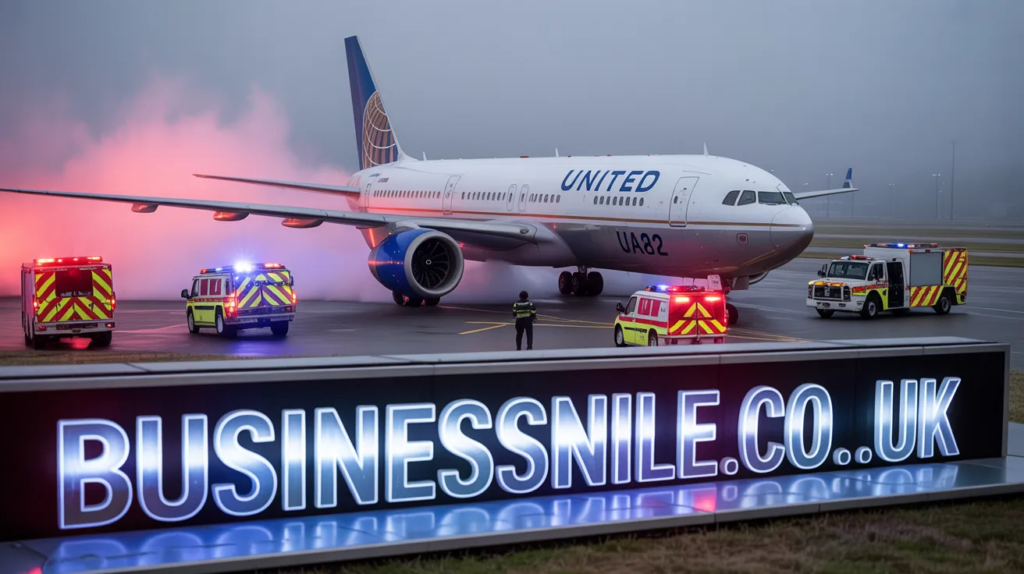
United Airlines flight UA82, a Boeing 787-9 bound for Delhi, declared an emergency not long after departure from Newark Liberty International Airport. The flight crew discontinued the climb at flight level FL330 and squawked emergency transponder code 7700 at 02:15 UTC, before carrying out a turnaround and a direct track back to the departure airport.
The sequence of events moved quickly. While cruising at 33,000 feet after approximately one hour into the flight, the pilots declared an emergency and the Boeing 787-9 made a U-turn over the Gulf of Maine due to a technical issue.
At approximately 23:15 local time, United Airlines Flight 82 safely returned to Newark Liberty International Airport. The entire emergency lasted roughly two hours from departure to landing.
The Aircraft Involved
The aircraft conducting the service to Delhi was a Boeing 787-9, registered N23983. This is a 4.8-year-old widebody aircraft belonging to United Airlines, in operational service since its initial delivery from the factory in September 2020.
The Boeing 787-9 Dreamliner is one of the most advanced commercial aircraft in service today. It is specifically engineered for long-haul international routes. The fact that a relatively young aircraft experienced a critical system failure raises important questions for the industry.
What Caused the United Airlines Flight UA82 Emergency?
The root cause of the United Airlines flight UA82 emergency was a malfunction in a critical onboard system.
Pilots of United Airlines flight UA82 detected a failure in the aircraft’s electronics cooling system after takeoff. Following standard safety procedures, they declared an emergency and returned to land safely after about two hours.
The Boeing 787-9 Dreamliner experienced a critical fault in its electronics cooling system, essential for preventing avionics from overheating.
Why Does an Avionics Cooling Failure Matter So Much?
This is not a minor inconvenience. The avionics cooling system protects the electronic brain of the aircraft. Without proper cooling, navigation systems, flight computers, and communication equipment can overheat and fail.
Industry insiders noted that a cooling system failure is a “no-go” for long-haul operations due to the risk of navigation blackout.
In plain terms, continuing a 14-hour transatlantic flight with a compromised avionics cooling system is not an acceptable risk. The pilots made the correct call immediately. That decision is what kept every person on board safe.
How the Crew Responded: A Business Case for Safety Protocols
The crew response during the United Airlines flight UA82 emergency is a textbook example of aviation safety discipline in action.
The crew declared a Squawk 7700 emergency just 45 minutes into the United Airlines flight UA82 emergency, initiating an immediate turnaround over the Atlantic.
Squawk 7700 is the universal aviation emergency transponder code. It immediately alerts air traffic control, gives the aircraft priority routing, and triggers a coordinated ground response. The crew did not hesitate.
Having been vectored to the north, United flight UA82 made its approach to Newark Liberty International Airport, establishing on final approach for runway 22L and maintaining transponder code 7700 for landing priority.
The Crew Decision That Made All the Difference
From a business and operational perspective, this incident demonstrates exactly what pilot training is designed to produce. The crew identified a potentially catastrophic system failure, communicated clearly with air traffic control, and executed a controlled emergency return with no injuries reported.
It was a critical decision because traveling toward Delhi with a malfunction in the avionics cooling system could have resulted in further complications.
That single decision protected passengers, crew, and the airline from a far worse outcome. In business terms, it also protected United Airlines from the reputational, legal, and financial consequences of a mid-ocean systems failure.
Passenger Experience and Airline Response
When you are a passenger on a flight that suddenly turns around with emergency lights active, the experience is understandably alarming. Understanding how United Airlines handled the situation after landing is important for travelers and corporate clients alike.
Although the aircraft had reached cruising altitude, the malfunction posed a potential threat. All passengers were unharmed, and the airline worked with airport staff to assist travelers and arrange alternative travel options.
Passengers received assistance and rebooking options. United Airlines prioritized safety and provided meal vouchers, accommodations, and bookings on the next flights to New Delhi.
All passengers were safely rebooked, and the aircraft was pulled from service for a detailed inspection by maintenance teams.
What Airlines Owe Passengers During an Emergency Diversion
From a business and consumer rights perspective, here is what passengers are typically entitled to during an emergency diversion:
- Rebooking on the next available flight at no additional cost
- Meal and refreshment vouchers during extended waits
- Hotel accommodation if an overnight stay becomes necessary
- Clear and timely communication from airline staff
- Access to customer service for travel insurance claims and refunds
United Airlines fulfilled these obligations in this case. That response matters enormously for brand trust, repeat business, and corporate travel accounts.
Business Implications of the United Airlines Flight UA82 Emergency
Aviation emergencies never exist in a vacuum. They send ripples through the airline industry, the maintenance sector, insurance markets, and regulatory bodies. The United Airlines flight UA82 emergency is no different.
Impact on United Airlines Operations
A flight diverted and an aircraft pulled from service means immediate operational disruption. The Boeing 787-9 involved was removed from its schedule for inspection and maintenance assessment. That affects crew scheduling, gate assignments, and downstream flight connections.
For airlines operating high-frequency international routes, a single aircraft being grounded triggers a cascade of logistical decisions. United Airlines serves the Newark to New Delhi route regularly, and any disruption to that schedule affects corporate travel clients, tourism operators, and cargo shipments alike.
Regulatory and Investigation Implications
Investigations are still ongoing to determine the cause of the malfunction.
Aviation regulators including the Federal Aviation Administration (FAA) take emergency declarations seriously. Any Squawk 7700 event triggers a formal review process. The findings from that investigation will influence maintenance protocols, inspection schedules, and potentially airworthiness directives that apply to other Boeing 787-9 aircraft in operation.
Insurance and Liability Considerations
Emergency diversions generate significant costs. These include fuel consumed during the return flight, ground handling fees, passenger rebooking expenses, hotel and meal costs, and potential compensation claims. Aviation insurers track these incidents closely. A pattern of system failures across a fleet type can trigger premium reviews or policy modifications.
For corporate travel managers and risk officers, the United Airlines flight UA82 emergency serves as a reminder to review travel insurance policies and understand what coverage applies when an international flight is diverted due to a mechanical emergency.
What This Incident Reveals About Aviation Safety Standards
The United Airlines flight UA82 emergency reveals both the strength and the ongoing challenges of commercial aviation safety systems.
The Strength: Redundancy and Protocol Work
Modern commercial aircraft like the Boeing 787-9 are designed with multiple layers of redundancy. When one system fails, backup systems engage. Pilots are trained extensively on emergency procedures. The outcome of the UA82 incident proves that these systems function as intended.
No passengers were injured. The aircraft landed safely. The emergency was managed with precision. That is not luck. That is the result of engineering standards, crew training, and regulatory oversight working together.
The Challenge: Aging Systems and Maintenance Gaps
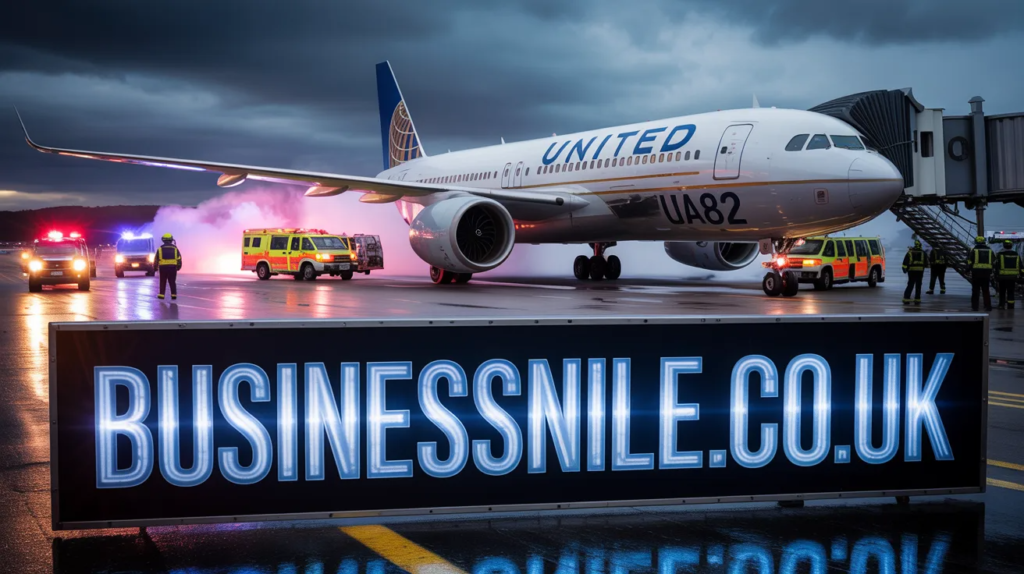
The safe return of United Airlines flight UA82 to Newark Liberty International Airport left passengers and industry analysts questioning the reliability of long-haul hardware.
Even a 4.8-year-old aircraft can experience critical system failures. The aviation industry must continuously balance high utilization rates with rigorous maintenance schedules. As global air travel demand increases, the pressure on maintenance teams grows. The UA82 incident is a clear signal that proactive maintenance culture cannot be compromised for operational efficiency.
What Travelers and Corporate Flight Managers Should Know
If you manage business travel or frequently fly long-haul international routes, the United Airlines flight UA82 emergency carries practical lessons worth noting.
For Business Travelers
Here is what you should keep in mind for your next international trip:
- Always carry travel insurance that covers trip interruption and emergency diversion expenses
- Know your passenger rights under both U.S. Department of Transportation rules and international conventions
- Keep digital and physical copies of your travel documents in case of unexpected overnight stays
- Have a backup communication plan if your mobile device runs low during an extended delay
- Register with your company’s travel risk management system so your location is always known during disruptions
For Corporate Travel Managers
Consider these action points after reviewing the UA82 incident:
- Review your travel risk policy to ensure it covers emergency diversions on international routes
- Confirm that your airline partners have clear passenger care protocols in place for diversion events
- Ensure employees traveling to remote destinations carry sufficient emergency funds or access to corporate cards for unexpected hotel and meal expenses
- Establish clear duty-of-care procedures so traveling employees know exactly who to contact during a flight emergency
Boeing 787-9 Safety Record: Context Matters
It is important to place the United Airlines flight UA82 emergency in proper context. The Boeing 787-9 Dreamliner has an overall strong safety record and is one of the most technologically advanced commercial aircraft in service.
A single system malfunction on one aircraft does not indicate a fleet-wide crisis. However, it does reinforce the importance of continuous monitoring, scheduled maintenance, and transparent reporting between airlines, manufacturers, and regulators.
The aviation industry operates on a culture of learning from every incident, no matter how it resolves. That culture is precisely why commercial aviation remains one of the safest forms of transportation in the world.
Conclusion: Key Business Takeaways from the UA82 Emergency
The United Airlines flight UA82 emergency on July 7, 2025, was a serious event that ended safely thanks to fast crew decision-making, effective emergency protocols, and a well-coordinated airline response.
Here are the core takeaways for business professionals and informed travelers:
The avionics cooling system failure on the Boeing 787-9 triggered a Squawk 7700 emergency. The crew responded swiftly and landed the aircraft safely at Newark. United Airlines provided passenger assistance, rebooking, and accommodation. Investigations into the root cause of the malfunction are ongoing. The incident highlights the ongoing importance of maintenance rigor, regulatory oversight, and passenger care standards.
Aviation safety is not an accident. It is the product of deliberate systems, trained people, and a culture that prioritizes the right decision over the convenient one. The UA82 crew demonstrated that culture at 33,000 feet over the Gulf of Maine.
Here is a question worth considering for your next business trip: do you know exactly what your airline’s emergency diversion policy covers, and does your corporate travel insurance fill any remaining gaps?
Share this article with your team, your travel manager, or any frequent flyer who deserves to fly informed. And if you have experienced an emergency diversion yourself, your insights could help others prepare.
Frequently Asked Questions
Q1: What happened on United Airlines flight UA82? United Airlines flight UA82 declared an emergency on July 7, 2025, shortly after departing Newark Liberty International Airport bound for New Delhi. The crew identified a failure in the aircraft’s avionics cooling system at 33,000 feet and returned safely to Newark. No passengers were injured.
Q2: What caused the United Airlines flight UA82 emergency? The emergency was caused by a malfunction in the Boeing 787-9’s electronics cooling system. This system prevents avionics from overheating. A failure of this system is classified as a critical no-go condition for long-haul flights.
Q3: Did any passengers get hurt during the UA82 emergency? No. All passengers and crew members were unharmed. The aircraft landed safely at Newark Liberty International Airport approximately two hours after departure.
Q4: What is Squawk 7700 and why did UA82 use it? Squawk 7700 is the universal aviation emergency transponder code. When a crew activates it, air traffic control immediately prioritizes that aircraft, clears airspace, and coordinates emergency ground services. UA82 activated this code to ensure a safe and prioritized return to Newark.
Q5: What did United Airlines do for passengers after the emergency? United Airlines provided passengers with meal vouchers, hotel accommodations where needed, and rebooking on the next available flights to New Delhi. The airline worked with airport staff to assist all travelers affected by the diversion.
Q6: Was the Boeing 787-9 involved in UA82 a new aircraft? The aircraft, registered N23983, was approximately 4.8 years old at the time of the incident. It had been in service with United Airlines since its delivery from the factory in September 2020.
Q7: Is the Boeing 787-9 Dreamliner safe to fly? Yes. The Boeing 787-9 has a strong overall safety record and is one of the most advanced commercial aircraft in service globally. A single system malfunction does not reflect a broader fleet safety issue. Investigations into the specific cause of the UA82 cooling system failure are ongoing.
Q8: What rights do passengers have when a flight is diverted for an emergency? Passengers are typically entitled to rebooking at no additional cost, meal and refreshment vouchers, hotel accommodation for overnight delays, and clear communication from the airline. Specific rights vary depending on the departure country and applicable aviation regulations.
Q9: How common are emergency declarations on commercial flights? Emergency declarations are more common than many people realize, but the vast majority result in safe outcomes. Pilots are trained to declare emergencies proactively when any system operates outside its normal parameters. Early declaration is a safety best practice, not an indication of imminent danger.
Q10: What should business travelers do if their flight declares an emergency? Stay calm and follow all crew instructions. Keep your travel documents accessible. Contact your company’s travel manager and your travel insurance provider as soon as possible after landing. Document everything, including your rebooking confirmation, any expenses incurred, and all communications from the airline.
Also Read In BusinessNile.co.uk
Email: johanharwen314@gmail.com
Author Name: Hamid Ali
About the Author: Hamid Ali is a business aviation and travel industry writer with over a decade of experience covering airline operations, flight safety, corporate travel management, and aviation regulation. He specializes in translating complex aviation events into clear, actionable insights for business professionals and frequent travelers. Hamid has contributed analysis to multiple aviation and business travel publications and is committed to helping readers make informed decisions about how they fly. When not writing, he follows aviation safety developments closely and advocates for stronger passenger protection standards across the industry.