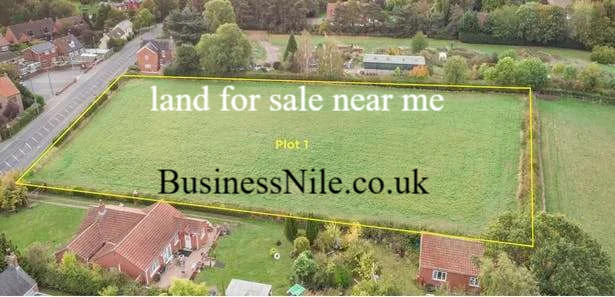
Introduction About: Land for Sale Near Me
Oklahoma is one of the country’s more affordable states for rural land. USDA’s July 2026 report puts average farm real estate at $2,620 per acre, well below the $4,500 national average. The listing price matters less than what comes with the parcel: legal access, water, floodplain exposure, and who owns the minerals underneath.
How do you actually find land near you?
Start with a map-based search instead of a keyword search. Most land listing platforms let you draw a boundary or set a radius, filter by acreage and price per acre, and save alerts. Then work through this sequence:
- Set a radius that matches your life. A 20-mile radius covers roughly 1,250 square miles, about one to two average-sized Oklahoma counties. A 5-mile radius is only about 80 square miles, so expect a thin inventory.
- Filter by price per acre, not total price. A $45,000 listing can be a bargain or a poor deal depending on whether it’s 5 acres or 40.
- Cross-check every parcel on the county assessor’s parcel viewer. Confirm acreage, ownership, and road frontage against the listing.
- Layer on free public data. Check FEMA flood maps, USDA Web Soil Survey for soil quality, and Oklahoma Corporation Commission records for nearby oil and gas wells.
- Talk to a land agent. Brokerages with land divisions, such as KW Land, and local rural specialists know off-market tracts and county quirks that listing sites miss.
Map pins on rural listings can be approximate, so always verify the legal description before you drive out.
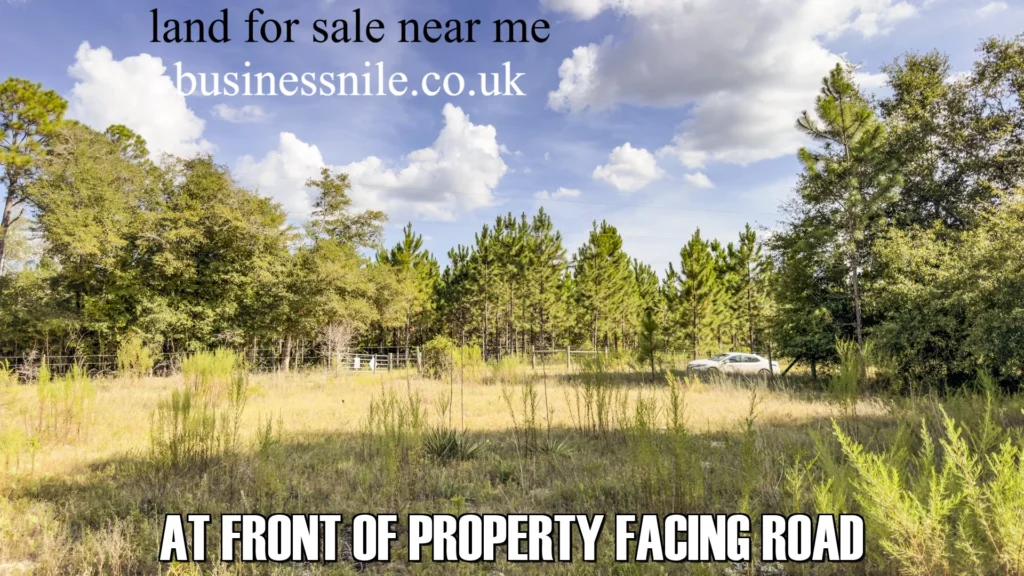
What does land cost in Oklahoma in 2026?
USDA’s July 2026 Land Values report puts Oklahoma’s averages at:
| Land type (per acre) | Oklahoma 2026 | 2025 to 2026 change | U.S. average 2026 |
|---|---|---|---|
| Farm real estate (land and buildings) | $2,620 | +3.1% | $4,500 |
| Cropland | $2,560 | +3.6% | $6,020 |
| Pasture | $2,200 | +4.8% | $2,000 |
The American Farm Bureau Federation notes that Oklahoma has among the lowest cropland values in the nation, because drier conditions and lower expected crop returns hold values down. My analysis of the same USDA tables shows two other patterns:
- Pasture is the standout. Oklahoma pasture values now sit above the national average, and the gap between pasture ($2,200) and cropland ($2,560) is small. That reflects the strength of cattle country.
- Values are up about 27% since 2022. Farm real estate rose from $2,070 to $2,620, and pasture from $1,720 to $2,200.
Averages hide a lot. They cover working farms and ranches, often with buildings, and they don’t capture scenic wooded tracts, lake-adjacent land, or parcels near growing metro areas, which frequently price higher. Treat these figures as a floor for comparison, not a quote.
A note on investment returns: Oklahoma cropland cash rents average about $41 per acre. Against a $2,560 cropland value, that’s a gross rental yield of roughly 1.6% before taxes and costs. Most Oklahoma land investors are therefore counting on appreciation, grazing or hay income, or mineral potential rather than rent alone.
Which type of land fits your goal?
| Land type | Best for | What to check first |
|---|---|---|
| Farmland and cropland | Wheat, hay, row crops | Soil quality, drainage, irrigation, existing tenant leases |
| Ranch and pasture | Cattle operations | Water sources, fencing, carrying capacity, sale-barn proximity |
| Hunting land | Deer, turkey, waterfowl | Cover and water, neighbors, state licensing rules |
| Timberland and wooded acreage | Recreation, timber, privacy | Access roads, harvest history, terrain |
| Recreational property | Cabins, camping, ATV riding | Zoning, utilities, flood risk, proximity to lakes |
| Vacant land for a homesite | Building a house | Well and septic feasibility, electricity, county setbacks |
Oklahoma’s Department of Wildlife Conservation is the authority on hunting seasons and licenses, so check its rules for any hunting tract you’re considering.
How does Oklahoma’s geography change what you’re buying?
Oklahoma has 12 ecoregions, according to the EPA, and rainfall is a big reason values and land use vary so much. The state averages about 56 inches of precipitation in the southeast and 17 inches in the Panhandle. In practical terms:
- The High Plains and Panhandle are semi-arid, with large ranches, dryland wheat, and irrigated cropland.
- The Cross Timbers run through the central part of the state, mixing post-oak woodland with pasture, and suit grazing and hunting.
- The Ozark Plateau (northeast) and Ouachita Mountains (southeast) carry the most trees and rainfall, making them popular for wooded acreage and timber.
- The Wichita and Arbuckle Mountains in the south-central and southwest offer rocky, scenic terrain, and the Wichita Mountains Wildlife Refuge is a well-known anchor for outdoor recreation.
- The Red River Valley and Lake Texoma area along the Texas border draw recreational buyers and second-home builders.
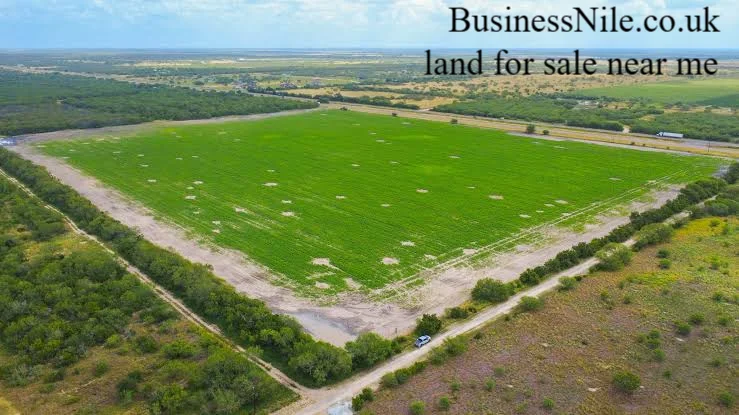
What Oklahoma-specific risks should you check?
Mineral rights come first. Many Oklahoma tracts have had minerals severed from the surface for decades. When you buy surface-only, another party keeps the right to explore and produce minerals and can access the surface within reasonable limits. Oklahoma treats the mineral estate as dominant, so a seller’s promise isn’t enough.
Before you make an offer:
- Order a title search and trace the chain of title through the county clerk’s records.
- Ask whether minerals convey with the property, and get it in writing in the contract.
- Look up nearby wells by section, township, and range to gauge activity.
- Hire a landman or oil-and-gas attorney if the parcel has known production.
Then verify access. Landlocked parcels without a recorded easement exist in Oklahoma and can be nearly impossible to fix after purchase. Also confirm utility easements, well and septic feasibility, flood zone status, and any existing leases.
How do you buy land in Oklahoma?
- Define your use and budget in price per acre.
- Research title, minerals, and access before making an offer.
- Make an offer and sign a purchase agreement with due-diligence contingencies.
- Complete due diligence. Budget 30 to 60 days for surveys, soil tests, and reviews.
- Arrange financing early. Raw land rarely qualifies for a standard mortgage, and owner financing is common for smaller rural parcels, often with 10% to 20% down. Land loans from agricultural lenders are another route.
- Close through a title company or attorney, and record the deed with the county clerk.
Land auctions are another common way rural tracts sell, but auction purchases are typically less flexible than negotiated deals, so line up financing and finish your title and access review before you bid. This guide is general information, not legal or financial advice. A real estate attorney or land agent can advise on your specific parcel.
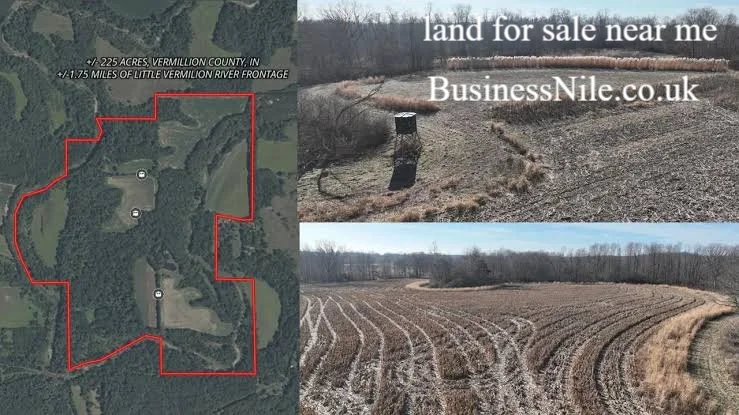
FAQ Section
Where can I find cheap land for sale near me?
Look in Oklahoma’s drier western counties and in rougher, more remote terrain, where per-acre prices run lowest. The state average is $2,620 per acre for farm real estate and $2,200 for pasture. Very cheap listings often carry trade-offs such as no legal access, no water, flood exposure, or severed minerals, so verify each one.
Where can I find farm land for sale near me?
Filter listing platforms by “farm” or “cropland” and your radius, then check soil maps, irrigation, drainage, and any tenant lease. Oklahoma cropland averaged $2,560 per acre in 2026, and winter wheat and hay are common crops.
How do I use a land for sale near me map?
Use the map view on a land listing site to draw a search area, then confirm each parcel on the county assessor’s viewer. Add FEMA flood maps, USDA Web Soil Survey, and Oklahoma Corporation Commission well data for the risks a listing map won’t show.
Is there land for sale near me under $5,000?
At the state’s average farm real estate price, $5,000 buys roughly two acres, so listings at that price are usually very small lots or come with major limitations. Confirm the seller’s ownership through county records and a title company, and be cautious with unusually cheap remote listings.
How do I find land for sale near me within 20 miles?
Set a 20-mile radius in your search tool. That covers about 1,250 square miles, enough for a healthy pool of rural listings. Sort by price per acre and save the search for new-listing alerts.
What can I get for land for sale near me under $50,000?
At Oklahoma’s average pasture value of $2,200 per acre, $50,000 would buy about 22 acres, and about 19 acres at the average farm real estate value. Actual acreage depends on location, access, and features, and smaller tracts often sell at higher per-acre prices than large ones.
Is it realistic to find land for sale near me within 5 miles?
It can be, but a 5-mile radius covers only about 80 square miles, so inventory is thin. Confirm whether the parcel sits inside city limits, where zoning applies, or in unincorporated county land, where rules are looser.
How do I evaluate rural land for sale near me?
Check legal road access, electricity, water supply, septic feasibility, fire protection, and internet availability. Then confirm mineral rights, easements, and flood zone status, because those determine what you can do with the land.
Author Bio: Hamid Ali is a real estate and land-market writer covering Oklahoma property, rural acreage, farmland, ranches, and land investment trends. He creates clear, research-based content to help buyers understand land values, mineral rights, property access, and rural real estate decisions.
Also Read: