Introduction
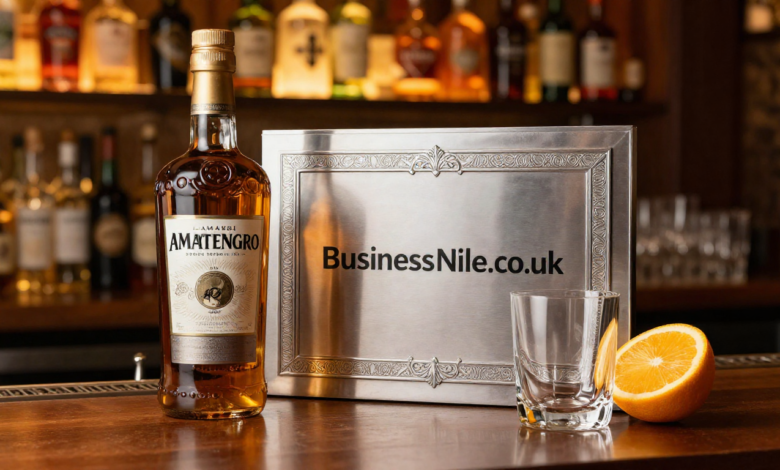
If you have ever sipped a complex, bittersweet Italian liqueur and felt like you were drinking something with a story, you already understand what makes Amaro Montenegro so special. This iconic Italian amaro has been delighting drinkers since 1885, and it shows no signs of slowing down.
Amaro Montenegro stands apart from the crowded field of bitter liqueurs. It brings a perfect balance of sweetness, bitterness, and herbal depth that makes it equally enjoyable neat, on the rocks, or inside a well-crafted cocktail. Whether you are a seasoned spirits enthusiast or just discovering the world of amaro for the first time, this guide gives you everything you need.
In this article, you will learn the history behind Amaro Montenegro, how it is made, what it tastes like, how to drink it like a local, and why bartenders around the world are reaching for it more than ever. Let us get into it.
What Is Amaro Montenegro?
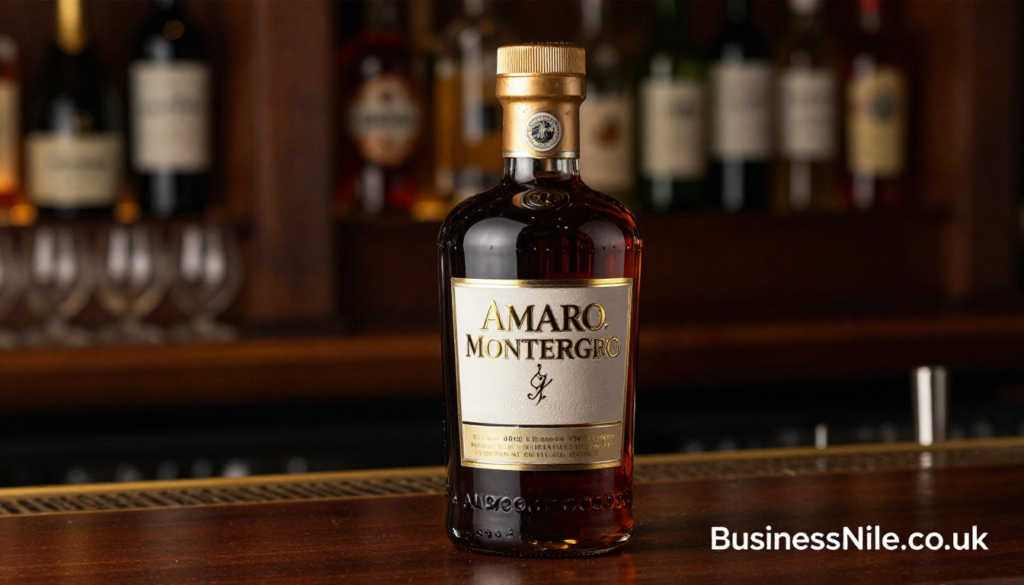
Amaro Montenegro is a traditional Italian bitter liqueur produced in Bologna, Italy. The name “amaro” simply means “bitter” in Italian, and Montenegro refers to the nation of Montenegro, which was named in honor of Princess Elena of Montenegro. She married Italy’s future King Vittorio Emanuele III in 1896, and the liqueur was dedicated to her as a tribute.
The drink is produced by Distilleria Montenegro S.r.l. and has been a staple in Italian aperitivo culture for over a century.
The Key Facts at a Glance
- Country of Origin: Italy (Bologna)
- ABV: 23%
- Category: Amaro (herbal liqueur)
- Color: Warm amber
- Flavor Profile: Sweet, bitter, spiced, citrusy, and herbal
- Serving Style: Neat, on the rocks, or in cocktails
The Rich History Behind Amaro Montenegro
Amaro Montenegro was created in 1885 by Stanislao Cobianchi. He was a passionate entrepreneur and world traveler who spent years collecting herbs, spices, and botanicals from around the globe. His vision was to craft a liqueur that captured the essence of those travels in every single sip.
Cobianchi eventually settled on a blend of 40 botanicals sourced from across four continents. After years of experimentation, he perfected the recipe and began producing the liqueur commercially in Bologna.
The drink quickly gained a loyal following across Italy. By the early 1900s, it was being served in the finest cafes and restaurants throughout the country. It became so popular that prominent Italian poet Gabriele d’Annunzio reportedly called it “the liqueur of virtues.” That is a powerful endorsement from one of Italy’s most celebrated literary figures.
Today, Amaro Montenegro remains one of the best-selling amaro brands in Italy. Its heritage and authenticity continue to drive its appeal among both traditional drinkers and the modern craft cocktail crowd.
What Makes Amaro Montenegro Unique?
Many amaro brands crowd the market, but Amaro Montenegro carves out its own distinct space. Here is why it stands out.
40 Botanicals, One Perfectly Balanced Recipe
The liqueur gets its character from a proprietary blend of 40 botanicals. While the full recipe remains a closely guarded secret, the brand confirms the use of several key ingredients including:
- Sweet and bitter orange peel
- Oregano
- Marjoram
- Coriander
- Nutmeg
- Vanilla
- Eucalyptus
Each botanical is processed separately before being blended. This technique allows the producer to maintain precision and consistency across every batch.
A Lower ABV That Invites You to Linger
At 23% ABV, Amaro Montenegro sits on the lighter end of the amaro spectrum. This makes it more approachable than high-proof alternatives like Fernet Branca or Averna. You can sip it slowly without it overwhelming your palate, which is exactly how the Italians prefer to enjoy it.
The Flavor That Keeps You Coming Back
Tasting Amaro Montenegro is a layered experience. You get an initial wave of sweetness from the orange and vanilla notes. That is followed by a gentle bitterness that builds gradually. The finish is long, warm, and herbal, with a slight spice that lingers pleasantly.
It is complex without being intimidating. It is bitter without being harsh. That balance is rare, and it is why both casual drinkers and professional bartenders keep coming back to it.
How Is Amaro Montenegro Made?
The production process of Amaro Montenegro is meticulous. It reflects the care and craftsmanship that has defined the brand for more than a century.
Step 1: Botanical Selection Each of the 40 botanicals is sourced from specific regions known for producing the highest quality of that ingredient. The brand maintains long-term relationships with suppliers to ensure consistency.
Step 2: Separate Macerations Unlike many liqueurs that macerate all ingredients together, the producers of Amaro Montenegro macerate each botanical individually. This preserves the distinct character of every ingredient.
Step 3: Blending The individual infusions are then carefully blended according to the original recipe created by Cobianchi. This master blend is what gives the final product its signature flavor profile.
Step 4: Resting The blended liqueur is allowed to rest before bottling. This resting period allows the flavors to integrate and mellow into the smooth, balanced drink you experience in the glass.
This level of attention to process is what separates Amaro Montenegro from mass-produced alternatives.
How to Drink Amaro Montenegro
One of the greatest things about Amaro Montenegro is its versatility. You can drink it in several different ways depending on your mood, the occasion, or what you are eating.
Neat or On the Rocks
The most traditional way to enjoy Amaro Montenegro is neat, served at room temperature or slightly chilled. Pour about 1.5 ounces into a small glass and take your time with it. Let the flavors unfold as you sip.
If you prefer something a little colder, serve it over a large ice cube. The slight dilution actually opens up some of the more delicate herbal notes.
As a Digestivo
In Italy, Amaro Montenegro is most commonly consumed as a digestivo, meaning you drink it after a meal to aid digestion. The bitter botanicals stimulate digestive enzymes and help settle the stomach after a rich dinner. This is a tradition that has lasted generations in Italian households and restaurants.
In Cocktails
Bartenders around the world have embraced Amaro Montenegro as a cocktail ingredient. Its balanced profile means it plays well with a wide range of spirits and mixers.
Here are some popular ways to use it in cocktails:
- Montenegro Spritz: Combine 2 oz Amaro Montenegro with 3 oz Prosecco and a splash of soda water. Serve over ice with an orange slice.
- Montenegro Negroni: Swap out the Campari in a classic Negroni for Amaro Montenegro. The result is a softer, more herbal version of the cocktail.
- Montenegro Sour: Shake 2 oz Amaro Montenegro with 1 oz fresh lemon juice and 0.5 oz simple syrup. Strain into a glass and garnish with a lemon twist.
- Montenegro and Tonic: Pour 2 oz Amaro Montenegro over ice, top with tonic water, and add a slice of orange.
Each of these drinks lets the unique character of Amaro Montenegro shine without burying it under too many competing flavors.
Amaro Montenegro in the Modern Cocktail Scene
The global cocktail renaissance has brought amaro to the center of drinks culture. Bartenders who once focused exclusively on whiskey and gin have turned their attention to bittersweet Italian liqueurs. Amaro Montenegro has been a major beneficiary of this shift.
Several factors have driven its rise in the craft cocktail world:
- Approachable bitterness: It is not as divisive as more intensely bitter amaro styles, making it easier to feature on cocktail menus.
- Versatility: It works in stirs, shakes, highballs, and even low-alcohol drinks.
- Visual appeal: The warm amber color looks beautiful in a glass.
- Brand story: Bartenders love products with authentic heritage, and Amaro Montenegro delivers a compelling narrative.
Many of the world’s top cocktail bars now stock it as a standard ingredient. Industry competitions have also featured it prominently, which has accelerated its visibility among serious drink enthusiasts.
Food Pairing with Amaro Montenegro
You might not immediately think of pairing a bitter liqueur with food, but Amaro Montenegro works beautifully alongside certain dishes.
Cheese: The herbal bitterness of Amaro Montenegro cuts through the richness of aged cheeses like Parmigiano Reggiano or Pecorino. Try it as part of an Italian-style cheese board.
Chocolate: The vanilla and spice notes in the liqueur pair naturally with dark chocolate. A small pour alongside a piece of 70 percent dark chocolate is a genuinely delightful combination.
Rich Meat Dishes: As a digestivo after a heavy meat dish, Amaro Montenegro shines. It helps settle the stomach and cleanses the palate.
Citrus Desserts: The orange peel notes in the liqueur echo the brightness of lemon tarts or orange-based desserts.
Where to Buy Amaro Montenegro
Amaro Montenegro is widely available in most countries with a developed spirits market. You can find it at:
- Specialty liquor stores: Most well-stocked bottle shops carry it.
- Online retailers: Global shipping has made it easy to order from reputable online spirits retailers.
- Italian restaurants and wine bars: Many establishments with Italian-focused beverage programs stock it.
- Duty-free shops: If you are traveling through European airports, you will often find it at competitive prices.
The price typically falls in the mid-range for premium spirits. In the United States, a 750ml bottle usually retails between $25 and $35. In Europe, you can often find it for slightly less, especially in Italy itself.
Comparing Amaro Montenegro to Other Amari
If you are new to amaro or building your home bar, understanding how Amaro Montenegro compares to other popular options helps you make smarter choices.
| Amaro | ABV | Flavor Profile | Best Use |
|---|---|---|---|
| Amaro Montenegro | 23% | Sweet, balanced, herbal, citrus | Versatile: neat, cocktails, digestivo |
| Averna | 29% | Sweet, licorice, herbal | Digestivo, stirred cocktails |
| Fernet Branca | 39% | Intensely bitter, minty | Shots, digestivo |
| Campari | 24% | Bitter, citrus, fruity | Aperitivo cocktails |
| Nonino Quintessentia | 35% | Fruity, grappa-based, elegant | Neat, high-end cocktails |
Amaro Montenegro occupies a sweet spot in this landscape. It is more complex and herbal than Campari but less aggressively bitter than Fernet Branca. That middle ground is exactly where most casual drinkers want to be.
Why Bartenders Love Amaro Montenegro
I have spoken to several professional bartenders who keep Amaro Montenegro behind the bar for one simple reason: it makes drinks better without fighting for the spotlight.
One bartender put it well: “It is like a great supporting actor. It elevates everything around it without stealing the show.”
Specifically, bartenders appreciate:
- Its consistency: Every bottle tastes the same, batch after batch.
- Its mixability: It blends smoothly with gin, whiskey, rum, and wine-based spirits.
- Its accessibility: Guests who are unfamiliar with amaro often find Amaro Montenegro to be a comfortable entry point.
- Its story: Guests love hearing about the 40 botanicals and the 1885 origin story. It creates a memorable drinking experience.
For home bartenders, these same qualities apply. Adding a bottle of Amaro Montenegro to your home bar instantly expands your cocktail repertoire.
Health and Wellness Context
This is not a health article, and Amaro Montenegro is definitely an alcoholic beverage meant to be consumed responsibly. That said, the tradition of drinking bitters as a digestive aid has a long cultural history in Europe.
The bitter botanicals in liqueurs like Amaro Montenegro are believed by many practitioners of traditional medicine to stimulate bile production and support digestion. Whether or not you subscribe to those beliefs, the after-dinner ritual of sipping a small amaro is a pleasant way to wind down a meal.
Drink responsibly. Enjoy it as part of a balanced lifestyle. And never let the romance of the ritual cause you to overindulge.
Conclusion
Amaro Montenegro is more than just a bottle of bitter liqueur. It is a gateway into Italian drinking culture, a piece of culinary history, and a genuinely delicious spirit that holds its own in any company.
From its origins in 1885 Bologna to the cocktail bars of New York, Tokyo, and London, Amaro Montenegro has built a legacy that few spirits can match. Its 40 botanicals, its perfectly calibrated bitterness, and its versatility make it one of the most valuable bottles you can add to your collection.
Whether you sip it neat after dinner, shake it into a sour, or use it to riff on a classic Negroni, you are participating in a tradition that has stood the test of time. That is something worth raising a glass to.
Have you tried Amaro Montenegro yet? If you have a favorite way to drink it or a cocktail recipe you love, share it in the comments below. And if this article helped you, pass it along to someone who appreciates good drinks.
Frequently Asked Questions
1. What does Amaro Montenegro taste like? It has a balanced flavor profile with sweet orange and vanilla notes upfront, followed by gentle bitterness and a warm, herbal, slightly spicy finish. It is approachable and complex at the same time.
2. How do you drink Amaro Montenegro? You can enjoy it neat at room temperature, slightly chilled over ice, or as an ingredient in cocktails. In Italy, it is most traditionally served as a digestivo after meals.
3. Is Amaro Montenegro gluten-free? Amaro Montenegro is generally considered gluten-free as it is made from distilled spirits and botanical infusions. However, if you have a severe gluten intolerance or celiac disease, consult your doctor and check with the manufacturer directly.
4. How many botanicals are in Amaro Montenegro? Amaro Montenegro contains 40 botanicals sourced from four continents. The full recipe remains a proprietary secret.
5. What is the alcohol content of Amaro Montenegro? Amaro Montenegro has an ABV of 23%, which places it on the lighter, more approachable end of the amaro spectrum.
6. Can you use Amaro Montenegro in cocktails? Absolutely. It works well in a wide range of cocktails including spritzes, sours, Negroni variations, and highballs. Its balanced profile makes it a very mixer-friendly spirit.
7. Where is Amaro Montenegro produced? It is produced in Bologna, Italy, by Distilleria Montenegro S.r.l. Bologna has been its home since Stanislao Cobianchi founded the brand in 1885.
8. How does Amaro Montenegro compare to Campari? Campari is sharper and more intensely bitter with a bright red color, while Amaro Montenegro is amber, slightly sweeter, and more herbal. Both are Italian bitters, but they serve somewhat different roles in cocktails.
9. What is the best cocktail with Amaro Montenegro? The Montenegro Spritz is one of the most popular and approachable choices. Mix it with Prosecco, a splash of soda, and orange. The Montenegro Negroni is another crowd-pleaser for those who enjoy stirred cocktails.
10. Is Amaro Montenegro expensive? No. It is considered a mid-range premium spirit. A 750ml bottle typically retails between $25 and $35 in the United States, making it an excellent value for the quality and complexity it offers.
Also Read In BusinessNile.co.uk
Email: johanharwen314@gmail.com
Author Name: Hamid Ali
About the Author: Hamid Ali is a passionate spirits writer, cocktail enthusiast, and food culture journalist with over eight years of experience covering the global drinks industry. He has written extensively about Italian liqueurs, craft distilling, and cocktail history for several international publications. Hamid believes that understanding what is in your glass makes every sip more meaningful. When he is not writing, you will find him behind a bar, experimenting with new recipes or hunting down rare bottles from around the world. You can follow his work and drink recommendations on his social channels.