Salisbury Steak Explained: Why This Classic Comfort Food Is Trending Again in 2026


Introduction
Salisbury steak is making a surprising comeback in 2026, bringing a classic taste of comfort food back into the spotlight. Once known as a simple homemade dinner favorite, this hearty dish is now gaining attention for its rich flavors, easy preparation, and nostalgic appeal. Made with seasoned ground beef, savory gravy, and often served with mashed potatoes or vegetables, Salisbury steak combines affordability with satisfying flavor. As people look for traditional meals with a modern twist, this timeless recipe is trending again among food lovers who appreciate classic American cuisine.
What Exactly Is Salisbury Steak?
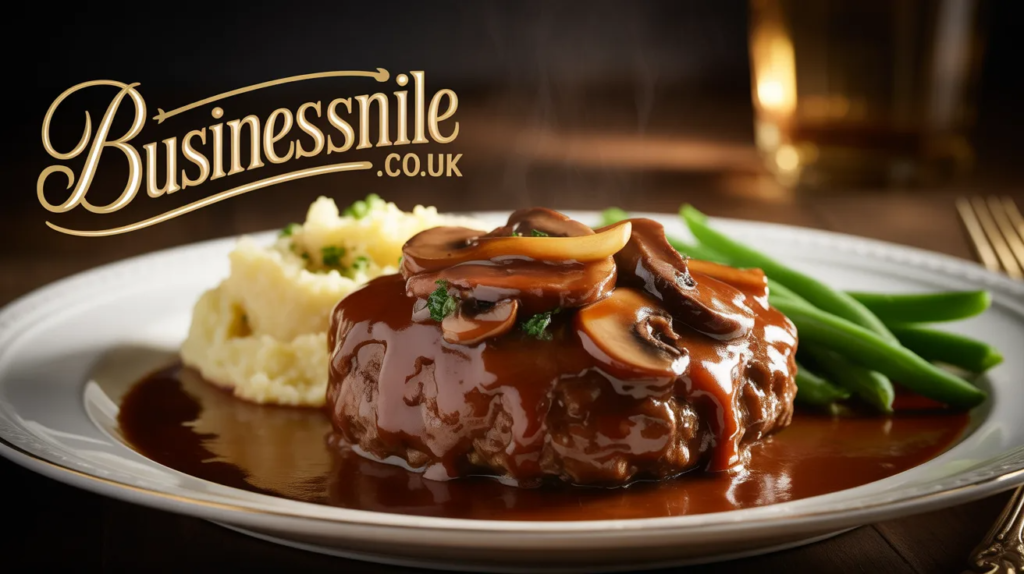
Salisbury steak is a seasoned ground beef patty that is pan-seared and then simmered in a rich, savory brown gravy. It looks like a hamburger but it is served like a steak, which is where the name comes from. The dish typically comes with mashed potatoes or egg noodles, and the gravy ties everything together into one comforting meal.
The patties are not just plain ground beef. They are mixed with breadcrumbs, egg, Worcestershire sauce, onion, and seasonings. This gives them a tender texture that holds together beautifully in the pan and absorbs all those deep, meaty flavors from the gravy.
The gravy is the real star. It is built on beef broth, onions, mushrooms, and a handful of flavor-boosting ingredients. When you get the gravy right, the whole dish becomes something truly special.
The Surprisingly Rich History of Salisbury Steak
Most people do not know that salisbury steak has a medical origin. It was developed in the 1860s by Dr. James Henry Salisbury, an American physician who believed that a meat-heavy diet was the key to good health. He prescribed chopped beef patties to his patients, recommending they eat them three times a day.
Dr. Salisbury was one of the early proponents of what we might now call a protein-forward diet. His ideas were considered radical at the time, but his dish caught on. Soldiers during the American Civil War were reportedly fed similar preparations because beef was easy to digest and high in protein.
By the early twentieth century, salisbury steak had made its way into American home cooking. It became a staple of diner culture in the 1950s and 1960s and later became one of the most recognizable frozen TV dinner options in the United States. Today, it remains a beloved home-cooked classic.
The Classic Salisbury Steak Recipe: Step by Step
Here is the recipe that actually delivers. I have tested this multiple times and tweaked every detail so you get it right on the first try.
Ingredients for the Patties
- 1 pound ground beef (80/20 blend works best)
- 1/3 cup plain breadcrumbs
- 1 large egg
- 2 teaspoons Worcestershire sauce
- 1 teaspoon Dijon mustard
- 1 teaspoon garlic powder
- 1/2 teaspoon onion powder
- Salt and black pepper to taste
Ingredients for the Gravy
- 2 cups beef broth
- 1 cup sliced mushrooms
- 1 medium onion, thinly sliced
- 2 tablespoons unsalted butter
- 2 tablespoons all-purpose flour
- 1 tablespoon Worcestershire sauce
- 1 teaspoon soy sauce
- Salt and pepper to taste
Directions
- Mix ground beef, breadcrumbs, egg, Worcestershire, mustard, garlic powder, onion powder, salt, and pepper in a large bowl. Do not overmix or the patties will become tough.
- Shape the mixture into four oval patties, about 3/4 inch thick. Press a slight indent in the center of each one so they cook evenly.
- Heat a large skillet over medium-high heat with a drizzle of oil. Sear the patties for about 3 to 4 minutes per side until they develop a deep brown crust. Remove them from the pan and set aside.
- In the same pan, melt butter and saute the onions and mushrooms until soft and caramelized, about 5 to 6 minutes. Sprinkle in the flour and stir for one minute.
- Pour in the beef broth gradually, stirring constantly to avoid lumps. Add Worcestershire sauce and soy sauce. Bring to a gentle simmer.
- Return the patties to the pan, nestle them into the gravy, and let everything simmer together for 10 to 12 minutes on low heat. The gravy will thicken and the patties will finish cooking through.
- Taste the gravy, adjust seasoning, and serve immediately over mashed potatoes or egg noodles.
Pro Tips That Make a Real Difference
Getting salisbury steak right is not complicated, but a few smart moves will take your dish from good to genuinely impressive.
Choose the Right Beef
Use an 80/20 ground beef blend. The fat content keeps the patties moist and flavorful throughout cooking. Leaner beef tends to dry out and lose its texture in the gravy. Source: RecipeTin Eats
Do Not Skip the Sear
That brown crust is not just for looks. It adds deep, roasted flavor to both the patties and the gravy. A well-seared patty makes a completely different dish than one that is just cooked through.
Build Flavor in the Same Pan
Never wipe out the pan after searing. All those browned bits stuck to the bottom are gold. When you add the onions and then the broth, they dissolve into the gravy and create layers of flavor you simply cannot get any other way.
Let the Patties Rest in the Gravy
That final simmer in the gravy is not optional. It gives the patties time to absorb the sauce, finish cooking gently, and stay tender. Rushing this step means you miss out on the best part of the whole dish.
Salisbury Steak Variations Worth Trying
Once you nail the classic version, these variations give you exciting new directions to explore.
Slow Cooker Salisbury Steak
Shape and briefly sear the patties, then transfer everything to a slow cooker with the gravy ingredients. Cook on low for 6 to 8 hours. This hands-off version is ideal for busy weekdays. The long, slow cook makes the patties incredibly tender.
Mushroom-Free Salisbury Steak
Not everyone loves mushrooms. If that is you, simply skip them. Add a little extra onion and a tablespoon of tomato paste to the gravy instead. You will still get that rich, deep flavor without the texture of mushrooms.
Turkey Salisbury Steak
Ground turkey works surprisingly well here. Because turkey is leaner, add a tablespoon of olive oil to the meat mixture and be careful not to overcook. The gravy does most of the heavy lifting in terms of flavor, so the turkey version still tastes excellent.
French Onion Salisbury Steak
Use caramelized onions as the base of your gravy, replace some broth with a splash of dry sherry, and finish with a sprinkle of Gruyere cheese on top. It is a French-inspired twist that feels restaurant-worthy but is genuinely easy to make at home.
Nutritional Overview: What You Are Actually Eating
Salisbury steak is a protein-rich meal. A typical serving of two patties with gravy contains approximately the following nutritional values (without sides):
- Calories: 380 to 450 depending on meat fat content
- Protein: 28 to 35 grams
- Carbohydrates: 10 to 15 grams (from breadcrumbs and flour in gravy)
- Fat: 20 to 28 grams
- Sodium: 600 to 900 milligrams (varies with broth and sauces used)
You can reduce the sodium significantly by using low-sodium beef broth. Swapping to turkey or a 90/10 beef blend brings the fat content down. Adding more mushrooms and onions to the gravy increases the fiber content and makes the dish more filling with fewer calories.

What to Serve With Salisbury Steak
The sides you choose can elevate or muddle a great dish. Here are the pairings that work best.
- Creamy mashed potatoes: The classic choice. That gravy poured over fluffy mashed potatoes is hard to beat.
- Egg noodles: A close second. The noodles soak up the gravy in the most satisfying way.
- Steamed green beans or broccoli: The bright, mild vegetable cuts through the richness of the gravy and adds color to the plate.
- Roasted carrots: Their natural sweetness contrasts beautifully with the savory, umami-packed gravy.
- Dinner rolls or crusty bread: Perfect for soaking up every last bit of gravy from the plate.
Common Mistakes That Ruin Salisbury Steak
Even simple recipes have pitfalls. Avoid these and your dish will come out great every time.
- Overmixing the meat: This activates too much protein and makes the patties tough and dense. Mix just until the ingredients are combined.
- Skipping the sear: Pale, un-seared patties lack flavor and fall apart more easily in the gravy. Always get that crust first.
- Using too much flour in the gravy: This makes it gluey and heavy. Two tablespoons is the right amount for two cups of broth.
- Cooking on high heat throughout: High heat works for searing but ruins the final simmer. Low and slow lets the flavors meld properly.
- Not tasting and adjusting: Always taste the gravy before serving. A pinch more salt or a splash of Worcestershire can make a significant difference.
Storing, Reheating, and Meal Prep Tips
Salisbury steak stores and reheats beautifully, which makes it a great candidate for meal prep.
Refrigerator Storage
Store leftover patties and gravy together in an airtight container. They keep well in the refrigerator for up to four days. The patties actually taste better the next day after absorbing even more of the gravy overnight.
Freezer Storage
You can freeze salisbury steak with its gravy for up to three months. Let it cool completely before placing it in freezer-safe bags or containers. Thaw overnight in the refrigerator before reheating.
Reheating
Reheat gently in a covered pan over low heat. Add a splash of beef broth or water if the gravy has thickened too much. Avoid the microwave if you can, as it can make the patties rubbery. A slow stovetop reheat keeps everything tender and flavorful.
Why Salisbury Steak Has Stood the Test of Time
There is a reason this dish keeps showing up on tables across generations. Salisbury steak works on multiple levels at once. It is fast enough for a weeknight but satisfying enough to feel like a proper Sunday dinner. It uses affordable, accessible ingredients. It is endlessly adaptable.
According to food historians, dishes with hearty meat and savory sauce combinations have been central to American home cooking since the 1800s. The reason is simple: they are filling, economical, and deeply satisfying. Salisbury steak hits all three marks perfectly.
There is also a comfort element that is hard to quantify. Warm, hearty food has a way of making everything feel a little more manageable. On a cold evening or a stressful day, a plate of salisbury steak with mashed potatoes is genuinely restorative.
Final Thoughts: Make Salisbury Steak Tonight
Salisbury steak is proof that simple food can be extraordinary. With the right technique and a little attention to detail, you can put a restaurant-quality meal on the table any night of the week using ingredients you probably already have.
The key takeaways are straightforward: use 80/20 beef, do not skip the sear, build your gravy in the same pan, and give the patties time to simmer in the sauce. Follow those principles and you will nail it every time.
Whether you stick to the classic recipe or experiment with one of the variations, this dish rewards your effort with flavor that punches well above its weight. It is humble, hearty, and honestly one of the best things you can make for dinner.
So what is stopping you? Grab some ground beef and give this recipe a try tonight. And if you make it, share it with someone who needs a good meal. That is really what salisbury steak has always been about.

Frequently Asked Questions
1. What is the difference between a hamburger and salisbury steak?
A hamburger is seasoned minimally and usually served on a bun. Salisbury steak uses a more heavily seasoned meat mixture with breadcrumbs and egg, and it is always served with gravy, not on bread. The preparation and final presentation are completely different.
2. Can I make salisbury steak ahead of time?
Yes, and it actually improves overnight. Make the full recipe, let it cool, and refrigerate everything together. Reheat gently the next day and the flavors will have deepened significantly.
3. Is salisbury steak gluten-free?
Traditional recipes use breadcrumbs and flour, so they are not gluten-free. However, you can easily substitute gluten-free breadcrumbs and use a cornstarch slurry instead of flour to thicken the gravy. The result is just as delicious.
4. What kind of beef broth works best for the gravy?
A good-quality store-bought beef broth works perfectly. If you want even more flavor, use beef bone broth, which has a deeper, richer taste. Low-sodium versions give you more control over the final seasoning.
5. Can I use ground turkey instead of beef?
Absolutely. Ground turkey is a leaner option that works well in this recipe. Add a tablespoon of olive oil to the meat mixture to compensate for the lower fat content and be careful not to overcook the patties.
6. Why do my patties fall apart in the pan?
This usually happens when the mixture is too wet or has not been refrigerated before cooking. Chill the shaped patties in the refrigerator for 20 to 30 minutes before cooking. Make sure you include the egg, which acts as a binder.
7. How do I know when the patties are fully cooked?
Use an instant-read thermometer and check for an internal temperature of 160 degrees Fahrenheit. If you do not have a thermometer, cut into the thickest part of the patty and check that the center is no longer pink.
8. Can I make the gravy without mushrooms?
Yes. Simply skip the mushrooms and add an extra tablespoon of tomato paste and a teaspoon of soy sauce to deepen the flavor of the gravy. It will still be rich and delicious.
9. Is salisbury steak the same as meatloaf?
They share similar ingredients but are different dishes. Meatloaf is baked as a loaf and sliced. Salisbury steak is shaped into individual oval patties, pan-seared, and served in gravy. The cooking methods and textures are noticeably different.
10. What is the origin of the name salisbury steak?
The dish is named after Dr. James Henry Salisbury, a nineteenth-century American physician who developed the recipe as part of a high-protein dietary approach he recommended to his patients. The name stuck, and the dish became a staple of American home cooking.
Also Read In BusinessNile.co.uk
Email: johanharwen314@gmail.com
Author Name: Hamid Ali
About the Author: Hamid Ali is a food writer and culinary content strategist with over a decade of experience covering comfort food, home cooking techniques, and recipe development. His work focuses on making classic dishes accessible to everyday cooks without sacrificing depth of flavor or quality. Hamid has contributed to numerous food publications and runs a widely followed cooking blog where he shares tested, reliable recipes backed by research and real kitchen experience. When he is not writing about food, he is in the kitchen testing yet another variation of his favorite recipes.