Introduction
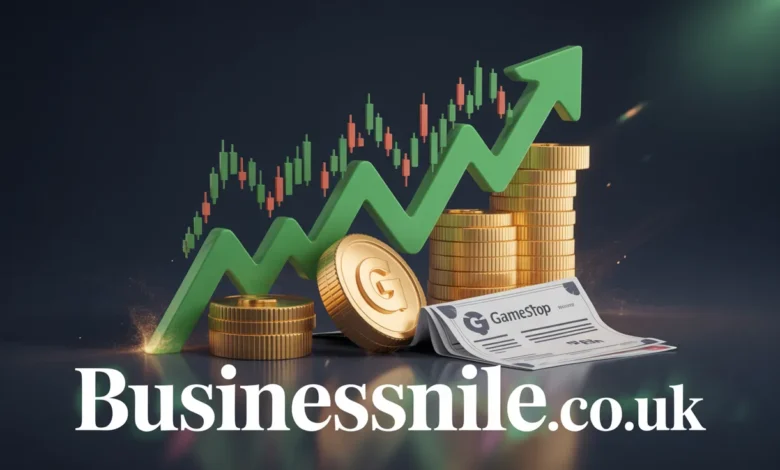
You probably heard the story. A video game retailer that Wall Street left for dead. A group of Reddit users who decided to fight back. And a stock price that shot from around $4 to nearly $483 in a matter of weeks. That stock was GME.
GME is the ticker symbol for GameStop Corp., a brick-and-mortar video game retailer based in the United States. In early 2021, GME became the center of one of the most talked-about events in modern financial history. It was not just a trade. It was a cultural moment.
Whether you are a seasoned investor or just curious about what all the noise is about, this article covers everything you need to know. We will walk you through what GME is, how the short squeeze happened, what the stock looks like today, and whether it deserves a place in your portfolio.
What Is GME? Understanding the Basics
GameStop Corp. trades on the New York Stock Exchange under the ticker GME. The company operates retail stores that sell video games, consoles, electronics, and accessories. At its peak, GameStop had thousands of locations across the United States and internationally.
By the mid-2010s, the rise of digital game downloads started eating into GameStop’s core business. Revenue dropped. Stores closed. Many analysts expected the company to eventually go bankrupt. Short sellers piled in, betting aggressively that GME shares would fall to zero.
Then came 2021, and everything changed.
The GME Short Squeeze: How It Really Happened
To understand the GME short squeeze, you first need to know what short selling means. When investors short a stock, they borrow shares and sell them, hoping to buy them back later at a lower price. If the stock falls, they profit. If it rises, they lose.
In early 2021, GME had one of the highest short interest levels ever recorded. More than 140% of its available shares were sold short. That is not a typo. It was mathematically possible because shares can be borrowed and re-lent multiple times.
WallStreetBets and the Reddit Army
A community on Reddit called r/WallStreetBets spotted the massive short position in GME. Members began buying shares and call options in large numbers. This drove the price up. As the price rose, short sellers faced margin calls and were forced to buy back shares at higher and higher prices.
That buying pressure created a feedback loop. More buying forced more short covering. More short covering drove prices even higher. The result was a short squeeze that sent GME from around $20 in early January 2021 to a peak of $483 on January 28, 2021.
The Robinhood Controversy
On January 28, 2021, trading app Robinhood restricted purchases of GME and a handful of other stocks. Retail investors were furious. Many believed the platform was protecting hedge funds at the expense of everyday traders. The backlash was enormous. Congressional hearings followed. The event sparked conversations about market fairness that continue today.
Key Numbers From the GME Frenzy
The numbers around the GME short squeeze are staggering. Here is a quick look at what the data showed:
- GME stock price in July 2020: approximately $4 per share
- GME peak price in January 2021: $483 per share
- Short interest at peak: over 140% of float
- Estimated hedge fund losses: over $19 billion in January 2021 alone
- Melvin Capital, one of the most exposed short sellers, lost approximately 53% in January 2021
These figures show just how dramatically the GME saga disrupted traditional finance. It was a retail investor revolt unlike anything markets had seen before.
Ryan Cohen and the GameStop Transformation
The GME story did not end with the short squeeze. In 2021, Ryan Cohen, the billionaire co-founder of Chewy, joined GameStop’s board. He became chairman in 2021 and CEO in 2023. Investors who believed in his vision hoped he could transform GME into a modern technology-focused company.
Cohen cut costs aggressively. He reduced headcount, closed underperforming stores, and eliminated corporate bloat. The company returned to profitability on a GAAP basis, which surprised many skeptics. GameStop also built a significant cash reserve, which gave it more flexibility.
Still, the core business challenge remained. Physical game sales continued to shrink. The company had not announced a clear strategy to replace that revenue. Some investors stayed loyal. Others questioned whether the transformation had real substance.
GME and the Meme Stock Phenomenon
GME became the defining example of what the media called meme stocks. These are shares that gain extreme popularity through social media, often disconnected from a company’s underlying financial performance. Other names like AMC, BlackBerry, and Bed Bath and Beyond followed a similar pattern.
The meme stock movement raised serious questions for regulators and investors alike. How do you value a stock when sentiment drives price more than earnings? What role should social media play in financial markets? The GME saga pushed these questions into the mainstream.
Roaring Kitty: The Man Behind the Movement
Keith Gill, known online as Roaring Kitty and DeepFuckingValue, became the face of the GME movement. He had been posting detailed analysis of GME on YouTube and Reddit since 2019. He believed the stock was fundamentally undervalued and held his position even as critics laughed at him.
When the squeeze happened, his small initial investment reportedly turned into tens of millions of dollars. He testified before Congress. He became a symbol of the power individual investors could wield when organized and informed.
GME Stock Today: Where Does It Stand?
After the January 2021 peak, GME stock dropped sharply. There were several additional spikes in 2021 and 2022, driven by social media buzz rather than business fundamentals. The stock has never returned to its all-time high.
By 2024 and into 2025, GME settled into a much lower trading range. The company had cash on its balance sheet, a leaner cost structure, and a smaller but still loyal retail investor base. Yet its growth story remained unclear. Analysts remained divided. Bulls pointed to the cash and the Cohen factor. Bears pointed to the declining core business.
In 2024, GameStop announced it would begin investing its cash reserves in Bitcoin, following a similar playbook to companies like MicroStrategy. This move thrilled some investors and confused others. Either way, it kept GME in the news and the conversation alive.
Should You Invest in GME? What You Need to Know
This is the question many people ask when they research GME. I want to be honest with you here. GME is not a typical investment. It carries unusual risks that most stocks do not.
The Case for GME
- GameStop has a strong cash position with no meaningful long-term debt
- Ryan Cohen is a proven entrepreneur with a strong track record
- A passionate community of retail investors continues to support GME
- The Bitcoin investment strategy could appreciate significantly if crypto markets rise
The Case Against GME
- Physical game retail continues to shrink as digital downloads dominate
- The company has not articulated a clear long-term growth strategy
- GME price is heavily influenced by social media sentiment, making it extremely volatile
- Valuation is difficult to justify using traditional metrics
The bottom line is that GME rewards those who understand its nature. It is part investment, part cultural movement, and part speculative bet. You should never invest more than you can afford to lose.
How GME Changed Wall Street Forever
The GME short squeeze was not just a financial event. It reshaped how people think about markets, fairness, and power. Here is what changed:
- Retail investors proved they could move markets. The idea that individual investors were powerless against institutional money was shattered permanently.
- Short selling came under scrutiny. Regulators and lawmakers began discussing whether extreme short positions should face tighter oversight.
- Social media became a legitimate market force. Platforms like Reddit and Twitter are now taken seriously by financial analysts and fund managers.
- Trading apps faced new regulatory attention. Robinhood and similar platforms had to answer for their role in restricting trades during the squeeze.
GME did not just disrupt one stock. It disrupted an entire system.
Final Thoughts: The Legacy of GME
GME is more than a stock ticker. It is a symbol of how regular people challenged the financial establishment and, at least for a moment, won. Whether you see it as a brilliant trade, a cautionary tale, or a cultural revolution, you cannot ignore what it meant for investing.
The company behind GME is still evolving. Ryan Cohen is steering it in a new direction. The passionate community of GME holders is still watching every move. And Wall Street is still learning lessons from what happened in January 2021.
If you are thinking about GME, do your homework. Read the financials. Understand the risks. And remember that no investment, no matter how exciting the story, is guaranteed.
What do you think about GME and its future? Drop a comment or share this article with someone who would find it useful.
Frequently Asked Questions About GME
1. What does GME stand for?
GME is the stock ticker symbol for GameStop Corp., a video game retail chain listed on the New York Stock Exchange.
2. Why did GME stock explode in 2021?
GME experienced a historic short squeeze driven by retail investors on Reddit’s WallStreetBets forum. They bought shares and options in large quantities, forcing short sellers to cover their positions at much higher prices.
3. Is GME still a meme stock?
Yes, GME still carries a strong meme stock identity. Its price movements continue to be influenced significantly by social media activity and retail investor sentiment.
4. Who is Ryan Cohen and what does he have to do with GME?
Ryan Cohen is the co-founder of Chewy and the current CEO of GameStop. He joined the company’s board in 2021 and has been working to transform it into a leaner, more modern business.
5. What happened to GME after January 2021?
GME stock fell sharply after reaching its peak. There were additional price spikes in 2021 and 2022, but the stock never returned to its all-time high. The company continued to restructure under Ryan Cohen’s leadership.
6. Can GME short squeeze again?
It is possible but unlikely to the same degree. Short interest in GME has dropped significantly since 2021. A repeat would require a similarly extreme short position combined with a coordinated buying campaign.
7. Is GameStop profitable today?
GameStop returned to GAAP profitability in 2023 after aggressive cost-cutting. However, revenues continue to decline as the physical game retail business shrinks.
8. Why did Robinhood restrict GME trading?
Robinhood cited regulatory capital requirements as the reason it restricted GME purchases. Critics argued the move protected hedge funds. The controversy led to congressional hearings and ongoing debate about market fairness.
9. What is the connection between GME and Bitcoin?
In 2024, GameStop announced it would allocate part of its cash reserves to Bitcoin investments. This was a significant strategic shift that placed GME alongside other companies using cryptocurrency as a treasury asset.
10. Is GME a good investment?
GME is a high-risk, speculative investment. It does not fit traditional value investing criteria. You should only consider it as a small part of a diversified portfolio and only invest what you can afford to lose completely.
Also Read businessNile.co.uk
Email: ha458545@gmail.com
Author Name: Hamid Ali
About the Author: Hamid Ali is a financial writer and market analyst with over a decade of experience covering stocks, investment trends, and the evolving landscape of retail trading. He specializes in breaking down complex financial events into clear, accessible language for everyday investors. Hamid closely followed the GME saga from its earliest days and has written extensively about the meme stock phenomenon and its lasting impact on global markets. When he is not writing about finance, Hamid enjoys exploring emerging technologies and understanding how digital culture intersects with the world of money.