Is Dropshipping Worth It? Honest Truths, Real Rewards and Hidden Risks 2025

Introduction
Everyone seems to be talking about dropshipping. You have probably seen the YouTube ads, the Instagram success stories, and the promise of making money while you sleep. But here is the question that actually matters: is dropshipping worth it for someone like you in 2025?
The honest answer is not a simple yes or no. Dropshipping is a legitimate business model that has helped thousands of people build real income online. At the same time, it comes with challenges that most gurus never tell you about. If you go in without knowing the full picture, you will waste time and money on something that was never set up to succeed.
In this article, we break everything down for you. We cover how dropshipping actually works, who it works best for, what kind of income is realistic, and the biggest mistakes to avoid. By the end, you will know whether is dropshipping worth it for your specific goals and situation.
What Is Dropshipping and How Does It Work?
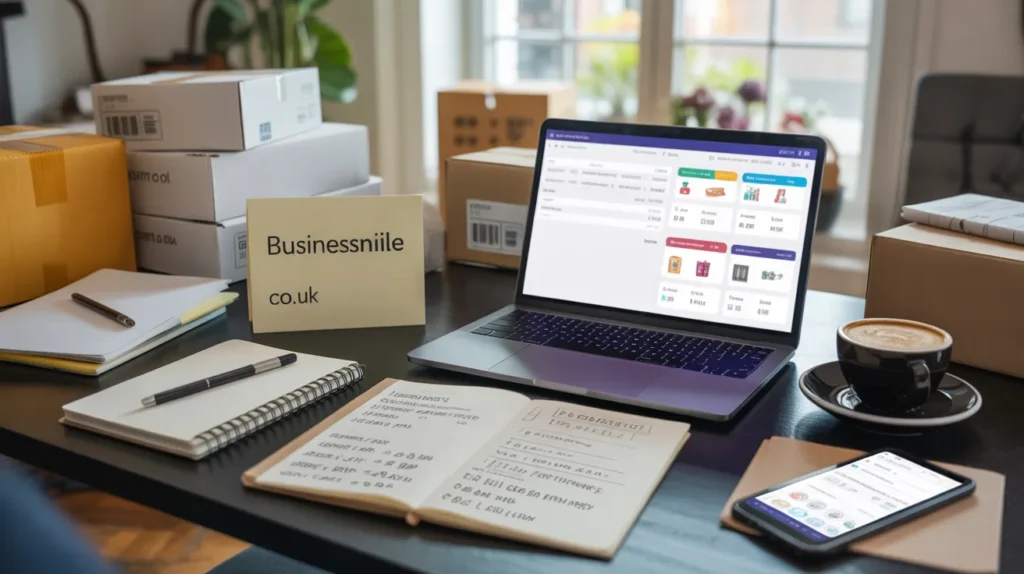
Dropshipping is a retail fulfillment method where you sell products online without holding any inventory yourself. When a customer places an order in your store, you forward that order to a supplier who ships the product directly to the customer. You never touch the product. You simply act as the middleman.
The basic process works like this. You set up an online store using platforms like Shopify or WooCommerce. You find products from suppliers on platforms like AliExpress, Spocket, or CJdropshipping. You list those products at a markup. A customer buys from your store. You pay the supplier their price and keep the difference as profit.
It sounds simple, and in theory it is. But the real work lies in finding the right products, building a trustworthy brand, driving traffic to your store, and handling customer service when things go wrong.
Key Players in the Dropshipping Model
- You: The store owner and marketer
- The supplier: The company that holds inventory and ships orders
- The platform: Shopify, WooCommerce, or similar tools
- The customer: The buyer who shops in your store
- The ad network: Facebook, TikTok, or Google that brings traffic to you
Is Dropshipping Worth It? The Real Pros You Should Know
There are genuine reasons why dropshipping attracts so many entrepreneurs every year. The model has real advantages that make it accessible, especially for beginners without large startup capital.
Low Startup Costs
You do not need to buy inventory upfront. Traditional retail businesses often require thousands of dollars before making a single sale. With dropshipping, you only pay for a product after a customer has already purchased it. Your main costs are your store platform, marketing budget, and any apps you use.
Work from Anywhere
Because you never handle physical products, you can run a dropshipping business from anywhere in the world. All you need is a laptop and a reliable internet connection. This flexibility attracts people who want to travel, work from home, or simply escape the nine to five routine.
Wide Product Selection
You are not locked into one type of product. You can test dozens of niches without committing money to bulk inventory. If a product does not sell, you simply remove it from your store and try something else. This flexibility is something traditional product businesses cannot offer.
Scalability Without Warehousing
When your store grows, you do not need to rent a warehouse or hire a shipping team. Your supplier handles fulfillment regardless of whether you get ten orders or ten thousand orders. This makes scaling much easier compared to traditional ecommerce models.
According to Statista, the global dropshipping market was valued at over 225 billion dollars in 2022 and is expected to grow at a compound annual growth rate of more than 23 percent through 2030.
Is Dropshipping Worth It? The Honest Cons You Cannot Ignore
Here is where most online gurus go quiet. Dropshipping has very real disadvantages, and if you are not prepared for them, they will catch you off guard.
Thin Profit Margins
Because you are not buying in bulk, you pay higher per unit costs than wholesalers. Your competitor might be selling the same product at a similar price. After paying for ads, platform fees, and transaction costs, your actual profit margin can be razor thin. Many beginners are shocked to find they made very little money on a sale they were excited about.
High Competition
Dropshipping is accessible to everyone, which means everyone is trying it. The products you find on AliExpress are often listed by dozens or hundreds of other stores. Standing out requires serious branding, great marketing, and a strong customer experience. Competing on price alone is a race to the bottom that nobody wins.
Shipping Times Can Hurt You
If you source from overseas suppliers, especially from China, delivery times can stretch to two to four weeks. In a world where Amazon Prime has trained customers to expect two day delivery, long shipping times lead to complaints, refund requests, and negative reviews. Managing customer expectations is one of the hardest parts of dropshipping.
Inventory and Quality Control Issues
You never see the product before it reaches your customer. If a supplier sends a low quality item, or runs out of stock without warning you, your customer’s experience suffers. You are dependent on your supplier’s reliability, and that is a risk you take on every single order.
Customer Service Falls on You
Even though your supplier handles shipping, all customer complaints come to you. Returns, lost packages, wrong items, and damaged products are your problem to solve. This creates a customer service burden that many new dropshippers underestimate.
Who Should Try Dropshipping in 2025?
Dropshipping is not the right fit for everyone. But it is a genuinely good starting point for certain types of people.
- Beginners in ecommerce who want to learn without risking large capital
- Marketers who already understand paid advertising and want to monetize that skill
- Side hustlers looking to build a second income stream without quitting their day job
- Entrepreneurs who want to test product ideas before investing in private label or wholesale
- People willing to put in real work on branding, customer service, and marketing
If you expect passive income from day one, dropshipping will disappoint you. But if you treat it like a real business that requires consistent effort, it can absolutely pay off.
How Much Money Can You Actually Make Dropshipping?
This is the question everyone wants answered. The truth is that income from dropshipping varies enormously. Some people make a few hundred dollars a month as a side income. Others build stores generating six or seven figures annually.
Realistically, a beginner can expect to spend the first one to three months learning and losing small amounts of money on ad testing. Once you find a winning product and a working ad strategy, you might start seeing consistent daily revenue.
Average profit margins in dropshipping range from 10 to 30 percent depending on your niche and supplier. If your store does 10,000 dollars in monthly revenue with a 20 percent margin, that is 2,000 dollars in profit before paying yourself or reinvesting. That is not life changing at first, but it is a foundation you can scale.
Factors That Affect Your Dropshipping Income
- Niche selection: High demand, low saturation niches earn more
- Product pricing: Higher ticket items mean bigger margins per sale
- Marketing efficiency: Lower cost per acquisition means better profitability
- Supplier reliability: Fewer problems means fewer refunds eating into profit
- Store conversion rate: Better design and copy turns more visitors into buyers
How to Make Dropshipping Worth It: Strategies That Actually Work
The dropshippers who succeed in 2025 are not the ones chasing shortcuts. They are the ones who treat the business seriously and focus on the right fundamentals.
Choose a Niche, Not Just a Product
Building a store around a specific niche gives you a brand identity. A pet accessories store feels more trustworthy than a general store selling random items. Customers in a niche community buy from brands they feel connected to.
Work with Reliable Suppliers
Do not just pick the cheapest supplier on AliExpress. Order samples before listing products. Check reviews, communication speed, and shipping times. Consider using suppliers based in your target country to reduce delivery times. US based suppliers on platforms like Spocket or Zendrop can significantly improve the customer experience.
Invest in Your Brand
A professional logo, clean store design, and consistent visual identity build trust. Customers are more likely to buy from a store that looks legitimate. Free themes and basic layouts often hurt conversion rates. Invest the time or money to make your store look great.
Master One Traffic Source First
Many beginners spread themselves thin trying Facebook ads, TikTok ads, Google ads, and SEO all at once. Pick one channel, learn it deeply, and make it profitable before adding more. Most successful dropshippers built their foundation on a single traffic source.
Focus on Customer Retention
Acquiring a new customer costs five times more than keeping an existing one. Build an email list from day one. Send follow up emails, offer loyalty discounts, and turn one time buyers into repeat customers. This is where dropshipping stores can build real long term value.
Is Dropshipping Worth It Compared to Other Business Models?
To truly answer whether is dropshipping worth it, it helps to compare it to other popular online business models.
Dropshipping vs Amazon FBA
Amazon FBA involves buying inventory in bulk and storing it in Amazon’s warehouses. It offers faster shipping and the trust of the Amazon brand, but requires much higher upfront capital. Dropshipping wins on low startup cost. FBA often wins on customer trust and fulfillment speed.
Dropshipping vs Print on Demand
Print on demand is similar to dropshipping but focuses on custom designed products like t shirts and mugs. It has even lower risk since you design products that only get printed when ordered. Margins are often thinner, but brand differentiation is easier. If you are creative, print on demand is worth exploring alongside dropshipping.
Dropshipping vs Affiliate Marketing
Affiliate marketing involves promoting other companies products and earning a commission per sale. You do not handle any product or customer service. However, you have no control over pricing, branding, or the customer relationship. Dropshipping gives you more control and generally higher revenue potential at scale.
Common Mistakes That Make Dropshipping Not Worth It
Understanding why people fail is just as valuable as knowing success strategies. Here are the most common mistakes that cause beginners to give up too early.
- Choosing a product based on personal interest rather than market data
- Spending money on ads before the store is properly optimized
- Giving up after the first few failed product tests
- Using suppliers with no quality control or slow shipping
- Ignoring customer service and letting complaints pile up
- Pricing products too low and leaving no room for profit after ad spend
- Not building an email list and relying only on paid traffic
- Trying to sell everything to everyone instead of targeting a specific audience
Conclusion: So Is Dropshipping Worth It in 2025?
After looking at everything, the answer is yes, dropshipping is worth it, but only if you approach it correctly. It is not a get rich quick scheme, and anyone who tells you otherwise is selling a course. It is a real business model with real advantages and real challenges.
The people who succeed with dropshipping are the ones who do their research, test products systematically, build genuine brands, and treat customer experience as a priority. They do not quit after a few bad weeks. They learn, adjust, and keep building.
If you are still wondering whether is dropshipping worth it for your specific situation, ask yourself one question. Are you willing to invest three to six months of consistent effort before expecting serious results? If the answer is yes, dropshipping deserves a serious shot.
Start small, stay focused, and treat it like the business it is. Share this article with someone who is considering starting their own store, and let us know in the comments what niche you are thinking about exploring.
Frequently Asked Questions
1. Is dropshipping worth it for beginners with no experience?
Yes, dropshipping is one of the most beginner friendly ecommerce models because you do not need inventory or large capital. However, you should invest time learning marketing and store design before spending money on ads.
2. How much money do I need to start dropshipping?
You can start with as little as 100 to 500 dollars covering your store platform, a domain, and initial ad testing. A budget of 1,000 to 2,000 dollars gives you more room to test products without running out of runway.
3. How long does it take to make money dropshipping?
Most dropshippers see their first profitable results within two to four months of consistent effort. Some take longer depending on niche selection, ad strategy, and how quickly they learn from failed tests.
4. Is dropshipping still profitable in 2025?
Yes, dropshipping remains profitable in 2025. The market continues to grow globally. Competition is higher than it was five years ago, which means you need stronger branding and smarter marketing to stand out.
5. What are the best niches for dropshipping in 2025?
Top performing niches include pet products, home organization, fitness gear, eco friendly products, and tech accessories. The best niche for you is one with real demand, manageable competition, and products you can market confidently.
6. Can you do dropshipping without paid ads?
Yes. Many dropshippers use organic methods like TikTok content, Instagram Reels, Pinterest, and SEO to drive traffic. Organic traffic takes longer to build but costs nothing and can generate very consistent long term results.
7. Is dropshipping legal?
Absolutely. Dropshipping is a completely legal and widely used business model. Thousands of legitimate businesses worldwide use supplier fulfillment. Just ensure you follow consumer protection laws in your target market and communicate shipping times honestly.
8. What is the biggest risk in dropshipping?
The biggest risk is poor supplier reliability. A supplier who sends low quality products, ships late, or runs out of stock without notice can destroy your store’s reputation quickly. Always vet suppliers carefully before listing their products.
9. Is dropshipping passive income?
Not at first. Dropshipping requires active management especially in the early stages. Once you have systems, virtual assistants, and automated tools in place, it can become more passive. But that level of automation takes real work to build.
10. Should I use Shopify or WooCommerce for dropshipping?
Shopify is generally easier for beginners with its clean interface and built in integrations. WooCommerce gives more flexibility and is cheaper long term if you already have a WordPress site. Most beginner dropshippers start with Shopify for its simplicity.
Also Read BusinessNile.co.uk
Email: ha458545@gmail.com
Author Name: Hamid Ali
About the Author: Hamid Ali is a digital entrepreneur and content strategist with over eight years of experience in ecommerce, SEO, and online business development. He has built and managed multiple dropshipping stores across different niches and now shares practical, no fluff advice to help aspiring entrepreneurs make smarter business decisions. Johan believes in honest education over hype, and his writing reflects real world experience rather than theory. When he is not writing or building businesses, he enjoys traveling and mentoring first time ecommerce founders.