Introduction
So what is a tween exactly? A tween is a child who has left early childhood behind but has not quite reached the teenage years. If your child suddenly rolls their eyes at bedtime stories yet still wants a nightlight, you are probably raising a tween. This stage sits quietly between childhood and adolescence, and it often catches parents off guard.
In this article, you will learn what is a tween, the exact age range this term covers, the physical and emotional changes involved, and practical ways to support your child through it. You will also find expert insights, useful statistics, and answers to the most common questions parents ask about this stage.
What Is a Tween in Simple Terms
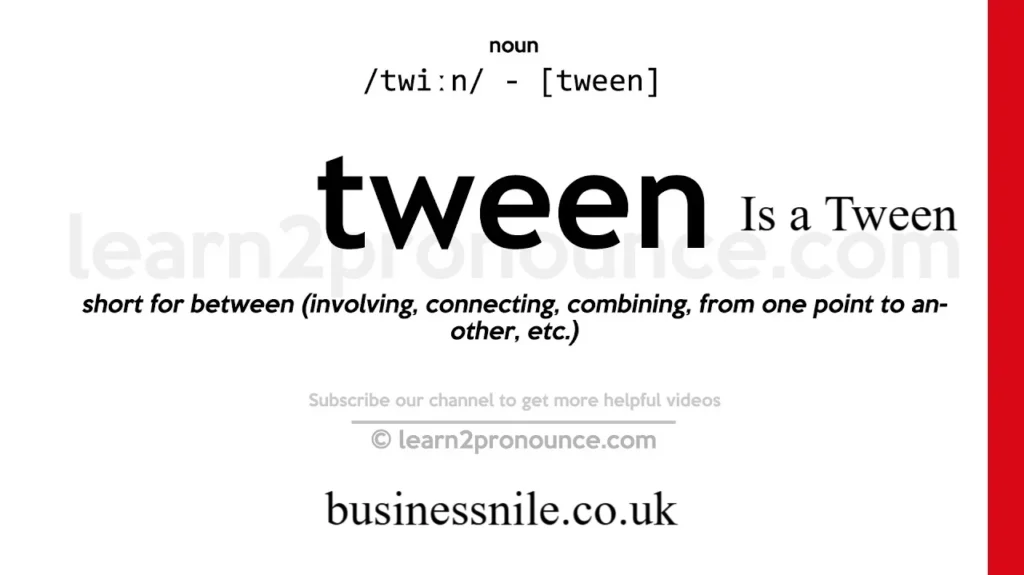
The word tween comes from the phrase between, and it describes children who are between childhood and the teenage years. Most experts agree that tweens fall roughly between the ages of 9 and 12. This is the stage right before puberty fully kicks in, though many tweens already show early signs of it.
You will notice your tween wants more independence but still needs guidance. They may argue about screen time yet still cry during a sad movie. This mix of maturity and childishness is completely normal.
Tween Age Range Explained
Understanding what is a tween becomes easier once you see the age breakdown clearly. Marketers, psychologists, and educators do not always agree on the exact cutoff, but most definitions overlap closely.
| Age Group | Common Label | Key Traits |
|---|---|---|
| 6 to 8 years | Middle childhood | Playful, imaginative, dependent |
| 9 to 12 years | Tween | Independent thinking, mood shifts, peer focus |
| 13 to 19 years | Teenager | Puberty, identity building, autonomy |
As the table shows, the tween years act as a bridge. Your child is testing new ideas about identity while still relying on family for comfort and structure.
Signs Your Child Has Entered the Tween Stage
Parents often ask how to know when their child has officially become a tween. Here are the clearest signs to watch for.
- Increased interest in friendships over family activities
- Sudden mood swings without an obvious reason
- Growing interest in personal style and appearance
- More screen time requests, especially social apps
- Early signs of body changes or puberty
- Stronger opinions about music, clothing, and hobbies
- Occasional pushback against household rules
If you notice three or more of these signs, your child has likely stepped into the tween years.
Why the Tween Stage Matters So Much
Many parents underestimate this stage because it lacks the drama associated with full blown teenage years. However, child development researchers view the tween period as a critical window for brain growth. According to research published by the American Academy of Pediatrics, the brain undergoes significant restructuring between ages 9 and 12, which shapes decision making skills for years to come.
This means the habits, confidence, and communication patterns your child builds now often carry into their teenage identity. Understanding what is a tween helps you guide this growth instead of reacting to it with confusion.
The Emotional Side of Being a Tween
Tweens often feel caught in the middle, and that feeling is not just emotional talk. They are old enough to think abstractly but young enough to need reassurance. Child psychologist Dr. Laura Markham has noted that tweens crave independence while still requiring emotional safety nets at home.
This is where your role becomes powerful. Instead of dismissing their feelings as overreactions, try validating them first. A simple statement like I understand why that upset you can open more honest conversations than any lecture.
The Social Side of the Tween Years
Peer relationships take center stage during this period. Your tween may care more about what classmates think than what parents say, and this shift is completely developmentally normal.
Here is what typically shapes their social world.
- Group friendships become more important than one on one play
- Social media curiosity increases, even before official app access
- Comparison with peers affects self esteem
- Early crushes or romantic curiosity may appear
- Bullying awareness increases, both giving and receiving
A recent Pew Research survey found that a growing number of children begin using social platforms before age 13, despite most platforms requiring users to be 13 or older. This makes early conversations about online safety essential during the tween years.
Physical Changes During the Tween Stage
Puberty does not wait for a calendar date, and many tweens experience early physical changes. Girls often begin noticeable changes between ages 8 and 13, while boys typically start slightly later, between 9 and 14.
Common physical changes include:
- Growth spurts and changes in body shape
- Skin changes, including early acne
- Changes in body odor
- Emotional sensitivity linked to hormonal shifts
Talking openly about these changes before they happen helps tweens feel prepared rather than embarrassed.
How to Support Your Tween Effectively
Knowing what is a tween is only half the puzzle. Supporting them well matters even more. Based on both research and real parenting experience, these strategies work well.
- Keep communication judgment free so they feel safe sharing
- Set clear but flexible boundaries around screens and social media
- Encourage hobbies that build confidence outside of peer approval
- Model healthy emotional regulation, since tweens copy behavior
- Give them small responsibilities to build independence safely
I have found that consistency matters more than perfection here. Tweens notice when parents stay steady, even during their moodiest days.
Tween Marketing and Brand Awareness
Businesses have also taken notice of this age group. Brands like Claire’s, American Girl, and Nickelodeon have built entire product lines specifically targeting tween interests, from fashion accessories to entertainment content. This shows how influential the tween market has become, both socially and economically.
Retail analysts estimate that tween focused spending continues to grow each year, driven largely by social media trends and peer influence rather than traditional advertising.
Common Mistakes Parents Make With Tweens
Even well meaning parents sometimes get this stage wrong. Avoid these common missteps.
- Treating them exactly like younger children
- Dismissing their opinions as childish
- Ignoring early signs of puberty conversations
- Overreacting to normal mood swings
- Comparing them to siblings or peers
Small adjustments in tone and patience often make a noticeable difference.
Conclusion
So, what is a tween? It is a child moving through one of the most important transition stages of growing up, roughly between ages 9 and 12. This period blends independence with vulnerability, confidence with confusion, and childhood with the early signs of adolescence. By understanding what is a tween truly means, you can respond with patience instead of frustration.
If you are currently raising a tween, remember that this phase does not last forever, but the trust you build during it often does. What has surprised you most about your own tween’s behavior? Feel free to share your experience, since every parent learns something new from this stage.
Frequently Asked Questions
What is a tween exactly? A tween is a child roughly between ages 9 and 12 who is transitioning from childhood toward the teenage years.
Why is it called a tween? The term comes from the word between, since this stage sits between childhood and adolescence.
What age does the tween stage end? Most experts agree the tween stage ends around age 13, when the teenage years officially begin.
Do tweens go through puberty? Many tweens experience early puberty signs, especially between ages 9 and 12, though timing varies by individual.
How should parents talk to a tween? Parents should stay calm, listen without judgment, and validate feelings instead of dismissing them.
Is social media appropriate for tweens? Most platforms require users to be at least 13, so tweens should have limited and supervised access, if any.
What are common tween behaviors? Common behaviors include mood swings, increased independence, peer focus, and growing interest in personal style.
Why do tweens argue more with parents? Tweens are developing independent thinking, which naturally leads to more questioning of rules and boundaries.
businessnile.co.uk
Email: johanharwen314@gmail.com
Author Name: Hamid Ali
Author Bio: Hamid Ali is a content writer who focuses on family, parenting, and consumer behavior topics. He enjoys breaking down complex development stages into practical advice that real parents can use every day.