Introduction
Imagine running an online store without ever touching a single product. No warehouse. No packing boxes at midnight. No upfront inventory costs eating into your savings. That is exactly what dropshipping makes possible, and thousands of entrepreneurs are already building real income with it.
If you have been wondering how to start dropshipping, you are in the right place. This guide covers everything you need, from picking a profitable niche to launching your store and making your first sale. Whether you are completely new to e-commerce or you have tried other models without success, dropshipping is one of the most accessible ways to build an online business today.
According to a 2023 market research report by Grand View Research, the global dropshipping market was valued at over $225 billion and is expected to grow at a compound annual growth rate of more than 23% through 2030. That tells you one thing clearly: the opportunity is not shrinking. It is expanding.
By the end of this article, you will understand how dropshipping works, how to choose your niche, how to find suppliers, how to build your store, and how to drive traffic that converts into real revenue. Let us get into it.
What Is Dropshipping and How Does It Work?
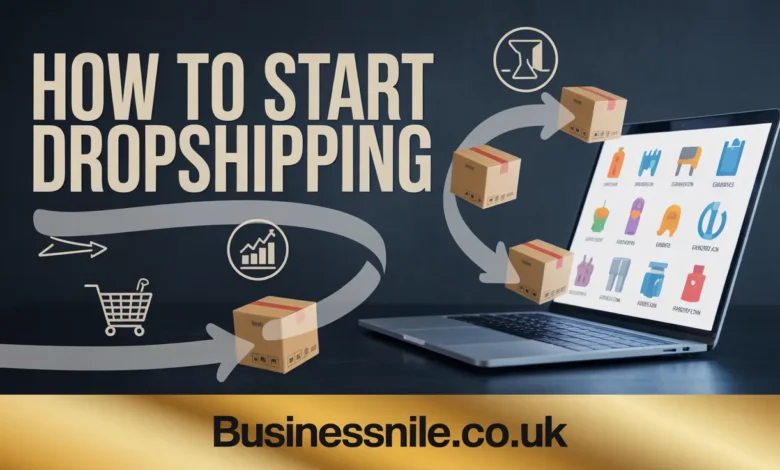
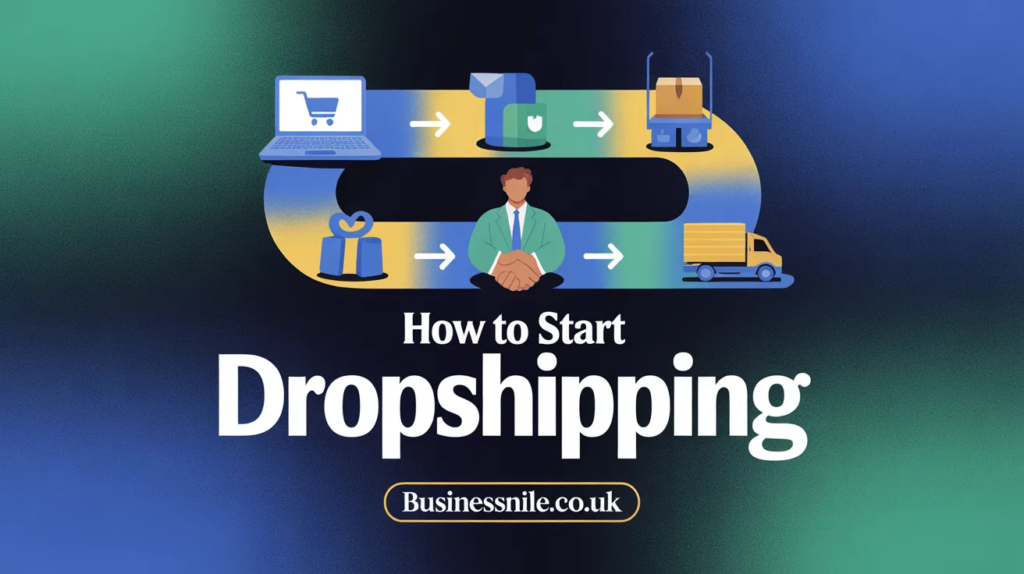
Dropshipping is a retail fulfillment model where you sell products online without keeping them in stock. When a customer places an order on your store, you forward that order to a third-party supplier. The supplier ships the product directly to your customer. You keep the difference between what the customer paid and what you paid the supplier.
Here is the basic flow:
- A customer finds your store and buys a product.
- You receive the payment and forward the order to your supplier.
- The supplier packages and ships the product to your customer.
- You pocket the profit margin.
You never handle the product. You never manage inventory. Your job is to build the storefront, attract customers, and provide good service. The supplier handles the rest.
Why So Many People Choose Dropshipping
Dropshipping stands out from other business models for some very clear reasons:
- Low startup costs: You do not need to buy inventory upfront.
- Work from anywhere: All you need is a laptop and internet access.
- Wide product selection: You can offer thousands of products without storing a single one.
- Scalable: You can grow without a proportional increase in overhead.
- Low risk: You only pay for products after you make a sale.
Of course, dropshipping also comes with real challenges. Margins can be thin, competition can be fierce, and you depend heavily on your suppliers. Knowing these realities upfront puts you ahead of most beginners.
How to Start Dropshipping: Step-by-Step
Learning how to start dropshipping successfully means following a clear process. Jumping ahead without the right foundation usually leads to wasted money and frustration. Here is the path that actually works.
Step 1: Choose a Profitable Niche
Your niche is the specific market you will serve. It defines everything from your products to your marketing. Choosing the wrong niche is one of the fastest ways to fail in dropshipping.
A good niche has three things: genuine customer demand, manageable competition, and decent profit margins. You want to find that sweet spot where people are actively searching for products but the market is not completely flooded.
Here are some niche research tips that actually work:
- Use Google Trends to check if interest in a product or category is rising or falling.
- Browse AliExpress and Amazon bestseller lists to spot products people are actually buying.
- Look at niche Facebook groups or Reddit communities to understand real customer pain points.
- Check tools like Jungle Scout, Ecomhunt, or Niche Scraper to find trending products.
Avoid broad niches like ‘fitness’ or ‘home decor.’ Instead, go specific. Think ‘resistance bands for seniors’ or ‘minimalist desk accessories for remote workers.’ Specificity helps you market more effectively and stand out from generic stores.
Step 2: Research Competitors
Before you build anything, study who is already selling in your chosen niche. This is not about copying them. It is about understanding what works and finding gaps you can fill.
Visit competitor stores and look at their product pages, pricing, and customer reviews. Read the negative reviews carefully. They reveal exactly what customers wish were different. That is your opportunity to do better.
Also check competitors’ social media pages and their ads. Tools like Facebook Ad Library let you see what ads are running in your niche. If multiple stores are running the same ad for months, it is likely profitable.
Step 3: Find Reliable Suppliers
Your supplier is your business partner. A bad supplier means late shipments, poor product quality, and angry customers. A great supplier gives you a real competitive edge.
The most popular platforms for finding dropshipping suppliers include:
- AliExpress: The most beginner-friendly option, with millions of products and global shipping.
- CJ Dropshipping: Faster shipping times than AliExpress, good integration options.
- Zendrop: US-based suppliers with faster fulfillment, great for American markets.
- Spocket: Focus on US and EU suppliers for quicker delivery to Western customers.
- SaleHoo: A vetted supplier directory with over 8,000 trusted suppliers.
When you evaluate a supplier, ask about their average shipping times, return policies, packaging options, and whether they offer private labeling. Fast shipping and quality packaging dramatically improve customer satisfaction and reduce refund requests.
Step 4: Build Your Online Store
Your store is where everything comes together. The platform you choose matters, but do not overthink it. Shopify remains the most popular choice for dropshipping stores, and for good reason. It is beginner-friendly, integrates with every major dropshipping tool, and handles payments smoothly.
Other solid options include WooCommerce for WordPress users and BigCommerce for those wanting more built-in features.
When you build your store, focus on these key elements:
- A clean, professional design that builds trust instantly.
- Clear product descriptions that focus on benefits, not just features.
- High-quality product images, ideally with multiple angles.
- An easy checkout process with minimal steps.
- Visible contact information and a clear return policy.
I always recommend adding a FAQ section to product pages. It reduces customer anxiety and cuts down on support emails before they happen.
Step 5: Import Products and Set Your Prices
Once your store is live, you import products from your chosen supplier. Tools like DSers for AliExpress or Zendrop’s app make this process almost instant. You can import products, edit descriptions, and adjust pricing all in one place.
Pricing is where a lot of beginners make mistakes. You need to account for more than just the product cost. Factor in:
- Product cost from the supplier.
- Payment processing fees (usually around 2.9% plus a flat fee per transaction).
- Advertising spend.
- Shopify subscription or platform fees.
- Refunds and chargebacks (budget around 2 to 5% of revenue).
Most successful dropshippers aim for a 30 to 50% profit margin after all costs. Some niches support higher margins. Research your market before you set prices.
Step 6: Market Your Store
This is where most of the actual work happens. A great store with zero visitors makes zero sales. You need traffic, and you need it to convert.
The main traffic channels for dropshipping stores are:
- Facebook and Instagram Ads: Highly visual and great for impulse-buy products.
- TikTok Ads and organic content: Explosive reach, especially for younger audiences.
- Google Shopping Ads: Captures high-intent buyers who are actively searching.
- Search Engine Optimization (SEO): Slower to build but delivers free organic traffic long term.
- Influencer marketing: Find micro-influencers in your niche for authentic promotion.
Start with one traffic source and master it before adding others. Many beginners spread themselves too thin across every channel and master none of them.
Step 7: Handle Customer Service Like a Pro
Great customer service builds repeat buyers and protects your reputation. In dropshipping, you are the face of the brand even though you never touch the product. That means fast, clear communication is non-negotiable.
Set up automated email sequences for order confirmations, shipping updates, and follow-up messages. Use tools like Gorgias or Zendesk to manage support tickets efficiently. Respond to every customer inquiry within 24 hours.
When problems happen, and they will, take full responsibility. Refund quickly when necessary. A customer who gets a fast resolution often becomes more loyal than one who never had an issue at all.
Common Dropshipping Mistakes to Avoid
Understanding how to start dropshipping also means knowing what not to do. These mistakes trip up even motivated beginners:
- Choosing a niche based on personal interest instead of market demand.
- Picking the cheapest supplier without checking reviews or shipping times.
- Copying competitor ad copy word for word instead of creating original content.
- Spending all your budget on ads before testing products organically first.
- Ignoring product quality by not ordering samples before selling.
- Setting up your store and then waiting for sales to magically appear.
The biggest mistake I see is expecting instant results. Dropshipping is a real business. It takes testing, iteration, and patience. Most successful dropshippers failed with several products before they found the one that worked.
How Much Money Do You Need to Start Dropshipping?
One of the biggest advantages of dropshipping is its low barrier to entry. You can realistically start with as little as $300 to $500 if you are careful with your spending.
Here is a rough budget breakdown for a lean startup:
- Shopify plan (basic): around $39 per month.
- Domain name: around $10 to $15 per year.
- Product samples from your supplier: $50 to $100.
- Initial ad testing budget: $150 to $300.
- Apps and tools: $20 to $50 per month.
You can reduce costs even further by starting with free traffic methods like TikTok organic content or SEO before spending on ads. Some dropshippers have built profitable stores with almost no upfront investment by focusing on content creation first.
Is Dropshipping Still Worth It in 2025 and Beyond?
Yes, but it is more competitive than it was five years ago. The days of throwing up a generic AliExpress store and printing money are largely gone. What works today is specificity, branding, and genuine value.
The dropshippers winning right now are those who treat it like a real brand, not just a middleman operation. They invest in custom packaging, build social media followings, create engaging content, and focus on customer experience.
If you are willing to do that work, dropshipping is absolutely still a viable and profitable business model. The market growth numbers back that up clearly.
Conclusion
Learning how to start dropshipping is not complicated, but it does require a clear plan and consistent effort. You have now seen every key step: choosing your niche, finding suppliers, building your store, setting prices, driving traffic, and delivering solid customer service.
The businesses that win in dropshipping are not those that got lucky. They are the ones that treated it seriously, tested persistently, and kept improving.
So here is your next step: pick one niche today. Do not spend a week thinking about it. Pick one, research three to five suppliers, and start building. The first store you launch will teach you more than a hundred articles ever could.
What niche are you thinking about exploring? Drop your thoughts or share this guide with someone who has been thinking about starting their own online business.
Frequently Asked Questions
1. How to start dropshipping with no money?
You can start with very little money by using free trials on platforms like Shopify, focusing on organic traffic through TikTok or Instagram Reels, and selling products without running paid ads initially. You will still need a small budget eventually, but it is possible to test the waters first.
2. How long does it take to make money dropshipping?
Most beginners see their first sale within two to four weeks of launching, assuming they are actively driving traffic. Building consistent, profitable revenue usually takes three to six months of testing and refining your products and ads.
3. Is dropshipping legal?
Yes, dropshipping is completely legal. It is a standard retail fulfillment model used by major companies worldwide. Just make sure you comply with local business registration laws, tax requirements, and the policies of whichever marketplace or platform you sell on.
4. Do I need a business license to start dropshipping?
In most countries, you will need some form of business registration once you start generating revenue. Requirements vary by location. It is best to consult a local accountant or legal advisor to make sure you stay compliant.
5. What is the best platform for dropshipping?
Shopify is the most popular and beginner-friendly platform for dropshipping stores. WooCommerce is a strong alternative for those already using WordPress. For those who prefer marketplaces, eBay and Amazon also support dropshipping under their specific policies.
6. What are the best products to dropship?
The best products are those with consistent demand, lightweight for low shipping costs, and not easily found in local stores. Popular categories include pet supplies, home organization, fitness accessories, beauty tools, and tech gadgets. Trending products vary, so always research before committing.
7. How do I handle returns in dropshipping?
Returns are part of the business. Work out a return policy with your supplier before you launch. Many store owners ask customers to keep low-value items and simply issue a refund or send a replacement. For higher-value products, establish a clear return address and process upfront.
8. Can dropshipping make you rich?
Dropshipping can generate significant income, but it is not a get-rich-quick scheme. Some entrepreneurs build six and seven-figure businesses through dropshipping. Most people who succeed treat it as a real business, reinvest profits, and stay consistent over time.
9. How to start dropshipping on Amazon?
Amazon allows dropshipping under specific conditions. You must be the seller of record, comply with Amazon’s policies, and never display supplier branding. Start by creating an Amazon Seller account, researching compliant products, and finding suppliers who agree to Amazon’s fulfillment requirements.
10. What is the biggest challenge in dropshipping?
The biggest challenge is finding reliable suppliers and maintaining product quality control without physically inspecting the goods. Shipping times can also frustrate customers. Choosing suppliers with good track records and being transparent with customers about delivery windows helps manage these issues.
Also Read In BusinessNile.co.uk
Email: johanharwen314@gmail.com
Author name: Hamid Ali
About the Author: Hamid Ali is a digital entrepreneur, e-commerce strategist, and online business writer with over a decade of hands-on experience building and scaling online stores. He has consulted for startups and independent brands across North America, Europe, and Southeast Asia, helping them launch and grow profitable dropshipping operations from scratch. Hamid writes with a practical, no-fluff approach, translating complex business concepts into clear, actionable steps for everyday readers. When he is not writing or consulting, he is testing new products, exploring emerging e-commerce platforms, and mentoring aspiring entrepreneurs in online communities.