
Introduction
Have you ever watched a Catholic teen or adult get anointed with oil during Mass and wondered what that moment really means? That question, what is Confirmation in the Catholic Church, comes up often among new parishioners, parents, and curious believers alike. Confirmation is one of the three Sacraments of Initiation, alongside Baptism and the Eucharist. It marks a powerful spiritual milestone where a person receives the Holy Spirit in a special way and commits fully to their Catholic faith.
This article breaks down everything you need to know. You will learn why Confirmation matters, what happens during the ceremony, who can receive it, and how preparation works across different countries and dioceses. Whether you are searching for Catholic Confirmation classes near you or simply want a clear answer, this guide covers it all in plain, easy language.
Why Is Confirmation Important for Catholics?
Confirmation strengthens the grace first received at Baptism. It seals your relationship with God and equips you to live out your faith boldly.
Here is why it matters so much:
- It completes the initiation process that begins with Baptism.
- It deepens your connection to the Holy Spirit.
- It calls you to actively spread and defend your faith.
- It strengthens your bond with the wider Catholic community.
Many Catholics describe Confirmation as the moment they truly chose their faith for themselves, rather than simply inheriting it from their parents.
What Happens During the Confirmation Ceremony?
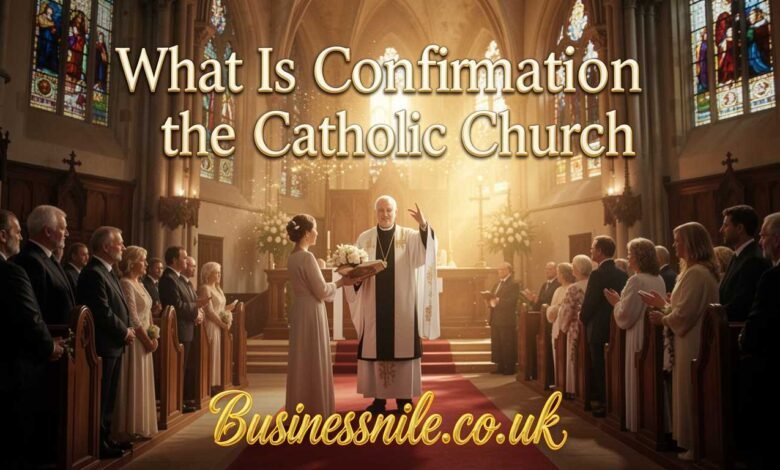
The Confirmation ceremony usually takes place during Mass, often led by a bishop. Understanding what is Confirmation in the Catholic Church becomes much clearer once you see the actual steps involved.
Here is a simple breakdown:
- The bishop or priest extends hands over the candidates and prays for the Holy Spirit.
- Each candidate approaches with their sponsor.
- The bishop anoints the candidate’s forehead with Sacred Chrism, saying, “Be sealed with the Gift of the Holy Spirit.”
- The candidate responds, “Amen.”
- The Mass continues with the Eucharist, since Confirmation and Communion are closely linked.
The whole moment feels solemn yet joyful, marking a true turning point in a person’s spiritual journey.
What Are the Seven Gifts of the Holy Spirit?
Confirmation is closely tied to receiving the seven gifts of the Holy Spirit. These gifts help Catholics live faithfully and make wise choices.
- Wisdom
- Understanding
- Counsel
- Fortitude
- Knowledge
- Piety
- Fear of the Lord
These gifts are not magical powers. Instead, they are graces that guide daily decisions, relationships, and moral choices.
Who Can Receive the Sacrament of Confirmation?
Anyone who has been baptized in the Catholic Church can receive Confirmation. Candidates must also be in a state of grace, meaning they have made a good confession beforehand.
Preparation typically includes:
- Attending religious education classes
- Choosing a Confirmation sponsor
- Selecting a Confirmation saint name
- Participating in service projects or retreats
At What Age Do Catholics Receive Confirmation?
This is one of the most searched questions related to what is Confirmation in the Catholic Church. The honest answer is that it varies.
- In the United States, many dioceses confirm teens between ages 13 and 16.
- In some parishes, younger children around age 7 or 8 receive Confirmation closer to First Communion.
- In the UK, Confirmation often happens around age 11 to 14.
- In Canada, ages typically range from 12 to 16, depending on the diocese.
- In Australia, many dioceses confirm children around age 9 to 12, often before First Communion.
Because local dioceses determine preparation schedules and age requirements, always check with your parish for exact guidelines.
Is Confirmation Required to Receive Other Sacraments?
Yes, in most cases. Confirmation is generally required before receiving the Sacrament of Matrimony in the Catholic Church. It is also expected before someone can become a godparent or Confirmation sponsor for another candidate.
What Is the Role of a Confirmation Sponsor?
A sponsor plays a guiding role, much like a spiritual mentor. Sponsors should be practicing Catholics who have already received Confirmation themselves.
Their responsibilities include:
- Supporting the candidate spiritually before and after Confirmation
- Attending the ceremony and standing with the candidate
- Serving as a lifelong example of Catholic living
Choosing the right sponsor can make a real difference in how a young person experiences their faith journey.
Why Is Sacred Chrism Used During Confirmation?
Sacred Chrism is a blessed oil mixed with balsam, consecrated by the bishop during Holy Week. It symbolizes strength, healing, and the sealing of the Holy Spirit within the believer.
When the bishop anoints the candidate’s forehead, it represents being marked permanently as a follower of Christ. This is a beautiful visual answer to anyone still wondering what is Confirmation in the Catholic Church truly about.
Can an Adult Receive Confirmation?
Absolutely. Many adults convert to Catholicism or complete their sacraments later in life through a process called RCIA, now often referred to as OCIA. Adult Confirmation preparation usually moves faster than youth programs and focuses more on personal faith formation and discussion.
How Long Does Confirmation Preparation Take?
Preparation time varies widely by parish and diocese. On average, programs run from six months to two years.
Typical preparation includes:
- Weekly or biweekly classes
- Service hour requirements
- A Confirmation retreat
- Interviews or reflection essays
- Meetings with sponsors and mentors
If you are searching for Confirmation preparation USA programs, most dioceses list schedules directly through local parish offices.
What Bible Verses Relate to Confirmation?
Several scripture passages connect closely to Confirmation and the gift of the Holy Spirit.
- Acts 2:1 to 4, describing Pentecost
- Isaiah 11:2 to 3, listing the gifts of the Spirit
- John 14:26, where Jesus promises the Holy Spirit
- Acts 8:14 to 17, showing the apostles laying hands on new believers
These verses help explain the biblical roots behind what is Confirmation in the Catholic Church today.
How to Register for Confirmation at Your Parish
Getting started is simpler than most people expect.
- Contact your local parish office directly.
- Ask about upcoming Catholic Confirmation classes near you.
- Confirm age requirements and required documents, such as a Baptism certificate.
- Choose a sponsor who meets diocesan guidelines.
- Register for classes, retreats, and service opportunities.
Whether you are looking into Catholic Confirmation UK programs, Catholic Confirmation Canada options, or Catholic Confirmation Australia parishes, the process generally follows the same basic steps, though timing and requirements shift slightly by region.
Final Thoughts
So, what is Confirmation in the Catholic Church really about? It is a powerful, personal step that seals your faith and invites the Holy Spirit more fully into your life. It builds on Baptism, strengthens your relationship with God, and prepares you to live out Catholic values with confidence.
If you or your child are approaching this milestone, reach out to your local parish today. Ask questions, attend an info session, and take that next step in your faith journey. Have you or someone you know recently gone through Confirmation? Consider sharing your experience with others who might be preparing for the same beautiful moment.
FAQs
1. What is Confirmation in the Catholic Church in simple terms?
It is a sacrament that strengthens the Holy Spirit’s presence in a baptized Catholic, marking full initiation into the faith.
2. Do you need a saint name for Confirmation?
Most parishes encourage candidates to choose a Confirmation saint as a spiritual role model, though rules vary by diocese.
3. Can you choose your own Confirmation sponsor?
Yes, as long as the sponsor is a practicing Catholic who has received Confirmation and meets parish requirements.
4. Is Confirmation the same in every country?
The core meaning stays the same, but age requirements and preparation timelines differ by country, diocese, and parish.
5. What if an adult missed Confirmation as a teen?
Adults can still receive Confirmation through OCIA or adult formation classes offered at most parishes.
6. How much does Confirmation preparation usually cost?
Costs vary, but many parishes charge a small fee for materials, retreats, or class resources.
7. Do godparents and Confirmation sponsors have to be the same person?
No, they can be different people, though some families choose the same person for both roles.
BusinessNile.co.uk
Email: johanharwen314@gmail.com
Author Name: Hamid Ali
About the Author: Hamid Ali writes about faith, spirituality, and Catholic traditions with a focus on making complex religious topics easy to understand. He enjoys helping readers connect with their faith through clear, practical, and relatable content.
