Pinterest Affiliate Marketing: The Proven Strategy That Actually Makes Money In 2026

Introduction
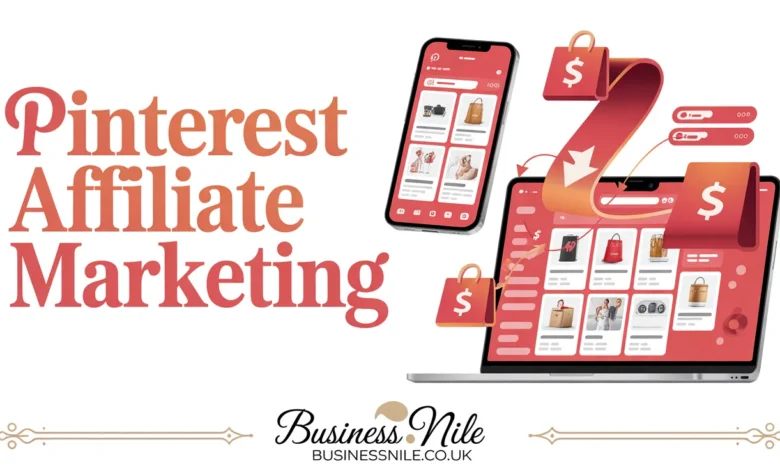
You have probably heard people talk about making money online, but most strategies feel complicated, expensive, or just plain unrealistic. Pinterest affiliate marketing is different. It gives you a visual, search-driven platform where your content keeps working for you long after you publish it.
Pinterest has over 522 million monthly active users. Most of them show up ready to discover new products, ideas, and solutions. That is exactly the kind of audience that converts well for affiliate marketers. When someone searches for “best kitchen gadgets” or “home office setup ideas,” they are already in a buying mindset.
In this guide, you will learn everything you need to know about Pinterest affiliate marketing. We cover how the platform works, how to set up your account the right way, which niches perform best, how to create pins that drive traffic, and how to scale your income without burning out.
What Is Pinterest Affiliate Marketing?
Pinterest affiliate marketing is the process of sharing affiliate links on Pinterest to earn a commission when someone clicks your link and makes a purchase. You create pins that link directly to products or to a blog post with affiliate links embedded inside.
Unlike Instagram or TikTok, Pinterest works more like a visual search engine. Pins you create today can show up in search results months or even years later. That means your affiliate content builds momentum over time instead of disappearing after 24 hours.
Here is the basic flow of how Pinterest affiliate marketing works:
- You join an affiliate program and get a unique tracking link.
- You create a pin with an eye-catching image and a compelling description.
- You add your affiliate link to the pin.
- Someone clicks your pin, visits the product page, and buys.
- You earn a commission. Simple.
Why Pinterest Is a Goldmine for Affiliate Marketers
Not every social platform is built for affiliate marketing. Pinterest stands out for several strong reasons that directly benefit your income potential.
Users Come to Buy
According to Pinterest’s own data, 85% of weekly users have made a purchase based on pins they saw. This platform is not where people come to argue or scroll mindlessly. They come to plan, shop, and get inspired. That intent translates directly into affiliate sales.
Content Has a Long Shelf Life
A tweet lasts about 15 minutes. A Facebook post reaches fewer people every year. But a Pinterest pin can drive traffic for years. Many affiliate marketers report that pins they created two or three years ago still generate clicks and commissions today.
It Works Without a Big Following
On Instagram or YouTube, you typically need thousands of followers before you see meaningful income. Pinterest is different. Because it operates as a search engine, your pins can reach people based on keywords, not just your follower count. A brand-new account can get traffic on day one if you target the right keywords.
How to Get Started with Pinterest Affiliate Marketing
Starting is simpler than most people expect. You do not need a website, a camera, or a big budget. You just need a Pinterest business account and a strategy.
Step 1: Set Up a Pinterest Business Account
Always use a business account, not a personal one. A business account gives you access to Pinterest Analytics, the ability to run ads, and Rich Pins. Go to pinterest.com/business/create and sign up. Fill out your profile completely. Add a professional photo or branded logo, write a keyword-rich bio, and link your website if you have one.
Step 2: Choose Your Niche
Picking the right niche is the most important decision you will make in Pinterest affiliate marketing. You want a niche that has strong search volume on Pinterest and products that pay decent commissions. The best niches for Pinterest affiliate marketing include:
- Home decor and interior design
- Fashion and personal style
- Food, recipes, and kitchen tools
- Personal finance and budgeting
- Health, fitness, and wellness
- Travel planning and gear
- Baby and parenting products
- DIY crafts and home improvement
Step 3: Join Affiliate Programs
Once you know your niche, apply to affiliate programs that match it. The most popular programs for Pinterest affiliate marketing include Amazon Associates, ShareASale, LTK (formerly RewardStyle), Awin, Impact, and CJ Affiliate. Amazon is the easiest to get into but pays lower commissions. Specialty networks often pay 10 to 30 percent per sale.
Creating Pinterest Pins That Actually Convert
Your pin is your storefront on Pinterest. It needs to stop the scroll, spark curiosity, and make someone want to click. Here is what separates high-converting pins from ones that sit in silence.
Use Vertical Images
Pinterest favors vertical images with a 2:3 ratio, ideally 1000 x 1500 pixels. Vertical pins take up more space in the feed, which means more visibility. Use tools like Canva or Adobe Express to design professional pins without needing design experience.
Write a Keyword-Rich Pin Title and Description
Every pin title and description is indexed by Pinterest’s search engine. Think about what your target reader is searching for and use those exact phrases. For example, instead of writing “cool kitchen stuff,” write “best small kitchen appliances for tiny apartments.” That is a phrase someone actually searches for.
Add a Clear Call to Action
Tell people what to do. End your pin description with a clear action like “Click to see the full list,” “Shop this look,” or “Grab the free guide below.” People respond to direction. A simple call to action can increase your click-through rate significantly.
Direct Linking vs. Sending Traffic to a Blog
One of the biggest questions in Pinterest affiliate marketing is whether to link your pins directly to affiliate products or send traffic to a blog post first. Both approaches work. Each has trade-offs.
Direct Affiliate Links on Pinterest
Yes, you can add affiliate links directly to Pinterest pins. Pinterest officially allows this, as long as you follow their spam guidelines and disclose that your pin contains an affiliate link. The benefit is simplicity. The downside is that you miss the chance to build an email list or collect SEO traffic through a blog.
Sending Traffic to a Blog First
Many successful Pinterest affiliate marketers use Pinterest to drive traffic to a blog, where they embed multiple affiliate links inside a helpful article. This approach lets you earn from several products in one post, grow your email list, and build long-term SEO authority. I personally recommend starting with a blog even if it is just a simple free site.
Pinterest SEO: How to Get Your Pins Found
Pinterest SEO is not optional. It is the engine behind your entire Pinterest affiliate marketing strategy. If your pins are not optimized, they simply will not show up in search results, no matter how good they look.
Use Pinterest’s Search Bar for Keyword Research
Type a word related to your niche into Pinterest’s search bar and look at the autocomplete suggestions. Those suggestions are real searches from real users. Build your pin titles and descriptions around those exact phrases. It is free keyword research that works perfectly for this platform.
Optimize Your Board Names and Descriptions
Your boards are not just folders. They are discoverable on Pinterest. Name each board with a keyword-focused title like “Easy Weeknight Dinner Recipes” rather than just “Dinners.” Write a full, keyword-rich description for every board. This helps Pinterest understand what your content is about and show it to the right audience.
Pin Consistently
Pinterest rewards consistency. Aim to publish 5 to 15 pins per day. You can use a scheduling tool like Tailwind to plan your content in advance and publish at peak times. Consistency signals to Pinterest’s algorithm that you are an active, trustworthy creator.
FTC Disclosure: What You Must Know
This is not optional. The FTC requires you to disclose affiliate relationships clearly. On Pinterest, you should add a disclosure directly to your pin description. Something like “This pin contains affiliate links. I may earn a small commission at no extra cost to you” works well.
Do not try to hide your affiliate links or bury the disclosure at the bottom where no one sees it. Being transparent builds trust with your audience and protects you legally. Most readers actually appreciate honesty, and it rarely hurts your conversion rate.
How Much Can You Realistically Earn with Pinterest Affiliate Marketing?
Earnings vary widely based on your niche, traffic, and conversion rates. Beginners often earn their first $100 to $500 per month within three to six months. More experienced marketers report earning $2,000 to $10,000 or more per month through Pinterest affiliate marketing alone.
Your income depends on three main factors:
- Traffic volume: How many people click your pins
- Conversion rate: How many clickers actually buy
- Commission rate: How much you earn per sale
Focus on high-intent keywords and products with commissions of at least 10 percent. Even with modest traffic, that combination can generate consistent monthly income.
Costly Mistakes to Avoid in Pinterest Affiliate Marketing
Many new affiliate marketers make the same avoidable mistakes. Knowing what not to do saves you weeks of wasted effort.
- Using a personal account instead of a business account. You miss out on analytics and features you need.
- Spamming the same pin across hundreds of boards. Pinterest’s algorithm detects this and will suppress your content.
- Skipping the FTC disclosure. This is a legal requirement, not a suggestion.
- Promoting random products with no niche focus. Scattered content confuses both Pinterest’s algorithm and your audience.
- Giving up too early. Pinterest takes time to build momentum. Most people see real results after 90 to 180 days of consistent effort.
How to Scale Your Pinterest Affiliate Marketing Income
Once your Pinterest account gains traction, there are several smart ways to scale your income without working more hours.
- Create multiple pins for the same content. Design five to ten different pin images linking to the same affiliate blog post. More pins mean more chances to get found.
- Build an email list. Use a free lead magnet to capture emails from your Pinterest traffic. Then promote affiliate products directly through email.
- Join higher-paying affiliate programs. Once you have proven traffic, brands will often offer you custom commission rates or sponsorship deals.
- Use Pinterest ads. Promoted pins can boost your best-performing content and dramatically increase your affiliate revenue.
- Expand to new sub-niches. Once one niche is profitable, apply the same system to a related niche.
Conclusion
Pinterest affiliate marketing is one of the most beginner-friendly and genuinely scalable ways to earn passive income online. You do not need a massive following, a big budget, or years of experience to get started. You just need a clear niche, a strategic approach, and the patience to let your content build momentum.
Remember the key points: set up a business account, choose a focused niche, join relevant affiliate programs, create keyword-optimized pins, and publish consistently. Treat your pins like tiny search-engine-optimized salespeople that work for you around the clock.
The biggest mistake you can make is waiting until you feel “ready.” Start today, optimize as you go, and watch your Pinterest affiliate marketing income grow over time. Are you already using Pinterest to earn online, or is this something you are just exploring? Drop your thoughts in the comments. We would love to hear where you are in your journey.
Frequently Asked Questions (FAQs)
1. Can I do Pinterest affiliate marketing without a blog?
Yes. You can add affiliate links directly to your Pinterest pins without owning a blog. However, having a blog helps you earn more per visitor and build long-term traffic through SEO.
2. Does Pinterest allow affiliate links?
Yes, Pinterest officially allows affiliate links on pins. You must follow their community guidelines and clearly disclose your affiliate relationship in your pin description.
3. How long does it take to make money on Pinterest?
Most beginners see their first commissions within 60 to 90 days. Building consistent income of $500 or more per month typically takes 3 to 6 months of active pinning and optimization.
4. What affiliate programs work best with Pinterest?
Amazon Associates, ShareASale, LTK, Awin, Impact, and CJ Affiliate all work well. For home decor, fashion, and lifestyle niches, LTK and ShareASale tend to offer better commissions than Amazon.
5. Do I need to disclose affiliate links on Pinterest?
Yes. The FTC requires clear disclosure of affiliate relationships. Add a short disclosure to every pin description that contains an affiliate link. Failing to disclose can result in fines or account suspension.
6. How many pins should I post per day?
Aim for 5 to 15 fresh pins per day. You do not need to create all of them from scratch. Repinning quality content from others in your niche and creating multiple versions of your own pins both count.
7. Is Pinterest affiliate marketing passive income?
It can become passive once your pins gain traction. Old pins continue to drive traffic and sales with no additional work. However, ongoing pinning is needed to grow and maintain your reach.
8. What is the best niche for Pinterest affiliate marketing?
Home decor, personal finance, food and recipes, and fashion consistently perform best on Pinterest. These niches have large, engaged audiences and strong product-buying intent.
9. Can I use Canva to create Pinterest affiliate pins?
Absolutely. Canva is one of the best tools for creating Pinterest pins. It offers pre-made templates in the correct Pinterest dimensions. You can design professional-looking pins in minutes, even without design experience.
10. Is Pinterest affiliate marketing still worth it in 2026?
Yes. Pinterest continues to grow its user base and improve its shopping features. With over 500 million monthly active users and a platform built for discovery and purchase intent, Pinterest affiliate marketing remains one of the highest-ROI strategies available to content creators.
Also read In BusinessNile.co.uk
Email: johanharwen314@gmail.com
Author Name: Hamid Ali
About the Author: Hamid Ali is a digital marketing strategist and affiliate marketing educator with over eight years of hands-on experience building and scaling content-driven income streams. He specializes in Pinterest marketing, SEO, and passive income systems that work for everyday creators. Hamid has helped thousands of beginners go from zero to their first $1,000 online through practical, no-fluff guides. When he is not writing about online income strategies, he is testing new affiliate programs and optimizing pin campaigns for maximum return. You can follow his work and get free resources at his website.