Best Credit Cards in USA for Beginners: Smart Choices That Won’t Overwhelm You In 2026

Introduction
Getting your first credit card feels exciting. It also feels confusing. You see dozens of options, and you have no idea which one suits you. That is completely normal. Most people feel the same way when they start.
The good news? The best credit cards in USA for beginners are simple to understand once you know what to look for. You do not need a perfect credit score. You do not need a big salary. You just need the right card and a solid plan.
In this article, you will learn exactly which cards work best for first-time users, what features matter most, how to avoid costly mistakes, and how to start building a strong credit score from day one.
According to the Consumer Financial Protection Bureau, nearly 45 million Americans have no credit score or a thin credit file. If you are one of them, this guide is made for you.
Let us break it all down together.
What Makes a Credit Card Beginner-Friendly?
Not every credit card suits a beginner. Some cards come with high annual fees, complicated reward systems, and steep interest rates. Those are not your friends right now.
A great beginner credit card should offer:
- No annual fee or a very low one
- An easy approval process with no or limited credit history required
- A low or manageable credit limit to keep spending in check
- Free credit score monitoring
- Zero liability protection for unauthorized charges
- Simple cash back or rewards that do not require a manual to understand
Once you find a card that checks most of these boxes, you are already ahead of millions of people who picked their first card blindly.
Best Credit Cards in USA for Beginners: Top Picks for 2025
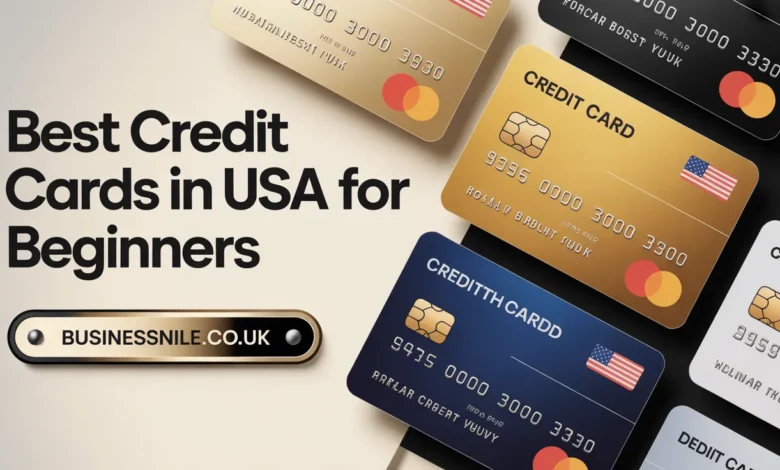
Here are the top cards that consistently rank as the best credit cards in USA for beginners. Each one serves a different type of new cardholder, so you can find the best match for your situation.
1. Discover it Student Cash Back
Best for: College students who want real rewards
- Annual fee: $0
- Rewards: 5% cash back in rotating categories (gas, groceries, restaurants) and 1% on everything else
- Special perk: Discover matches all the cash back you earn in your first year
- Credit score needed: Limited or no credit history is okay
This card is a standout because of the first-year cash back match. If you earn $200 in cash back during your first 12 months, Discover gives you another $200. That is $400 in real value just for using a card you already needed.
2. Capital One Platinum Credit Card
Best for: Beginners with no credit who need to start somewhere
- Annual fee: $0
- Rewards: None (it is a credit-builder card)
- Special perk: Capital One may upgrade your credit limit after just 6 months of on-time payments
- Credit score needed: Fair or no credit history
This card is honest about what it is: a tool to build credit. It does not come with fancy perks, but it does the job well. Use it for small purchases, pay it off monthly, and your score will grow steadily.
3. Chase Freedom Rise
Best for: Beginners who want a recognizable brand and solid rewards
- Annual fee: $0
- Rewards: 1.5% cash back on all purchases
- Special perk: Having a Chase savings or checking account can boost approval odds
- Credit score needed: Limited credit history
Chase is one of the biggest names in banking. The Freedom Rise card keeps things simple. A flat 1.5% on everything means no thinking required. You swipe, you earn. That is it.
4. Petal 2 Visa Credit Card
Best for: People with no credit history at all
- Annual fee: $0
- Rewards: 1% to 1.5% cash back, and you earn more as you pay on time
- Special perk: No credit score required to apply. Petal looks at your bank account history instead
- Credit score needed: None required
I find the Petal 2 card incredibly smart for true beginners. It skips the credit score check completely. Instead, it reviews your banking habits. If you manage your bank account well, you have a solid shot at approval.
5. Secured Discover it Secured Credit Card
Best for: Rebuilding or starting credit with a safety net
- Annual fee: $0
- Rewards: 2% cash back at gas stations and restaurants (up to $1,000 per quarter), 1% on everything else
- Special perk: Discover reviews your account after 7 months for a possible upgrade to an unsecured card
- Credit score needed: None required (secured card requires a refundable deposit)
A secured card requires you to put down a deposit, usually $200 or more. That deposit becomes your credit limit. It protects the bank and gives you a controlled way to practice using credit responsibly.
How to Use Your First Credit Card Wisely
Picking the right card is step one. Using it correctly is step two. Many beginners make avoidable mistakes that hurt their credit score instead of helping it.
Follow these simple rules from day one:
- Pay your full balance every month. Carrying a balance means paying interest, which wipes out any rewards you earned.
- Keep your credit utilization below 30%. If your limit is $500, keep your balance below $150 at all times.
- Set up autopay for at least the minimum payment. This protects you if you forget a due date.
- Use your card for everyday purchases you already plan to make. Do not spend more just to earn rewards.
- Check your statement every month. Spot unauthorized charges early and dispute them right away.
- Do not apply for multiple cards at once. Each application creates a hard inquiry that temporarily lowers your score.
These habits sound simple because they are. The challenge is staying consistent. Credit scores reward patience and discipline over time.
Understanding Credit Scores Before You Apply
Your credit score is a three-digit number that tells lenders how reliable you are with money. The most widely used score is the FICO score, which ranges from 300 to 850. A higher score means better loan terms, lower interest rates, and more financial options.
What Goes Into Your Credit Score?
- Payment history (35%): Do you pay on time? This is the most important factor.
- Credit utilization (30%): How much of your available credit are you using?
- Length of credit history (15%): How long have you had credit accounts?
- Credit mix (10%): Do you have different types of credit?
- New credit inquiries (10%): Have you applied for new credit recently?
When you use one of the best credit cards in USA for beginners and pay your bill on time every month, you directly improve the two biggest factors: payment history and credit utilization. That alone can move your score significantly in just a few months.
Secured vs. Unsecured Credit Cards for Beginners
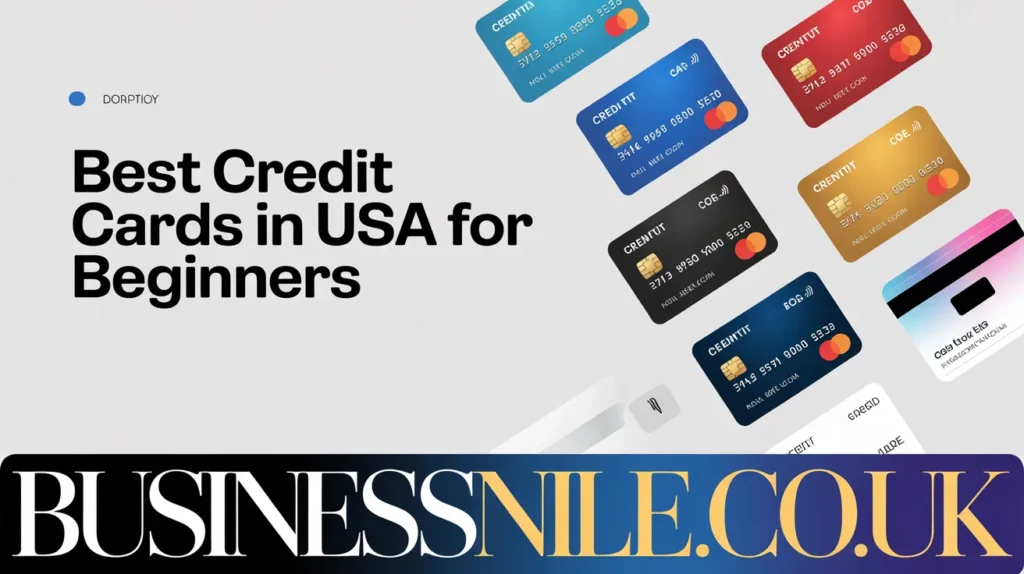
When you shop for the best credit cards in USA for beginners, you will come across two types: secured and unsecured. Understanding the difference helps you make a smarter choice.
Secured Credit Cards
A secured card requires a cash deposit. That deposit acts as collateral. If your credit limit is $300, you put down $300. You cannot spend more than you have deposited. This makes it low-risk for the bank and a safe learning tool for you.
Unsecured Credit Cards
An unsecured card does not require a deposit. The bank extends credit based on your creditworthiness. Most beginner unsecured cards have lower limits and higher interest rates until you prove yourself with good habits.
If you have absolutely no credit history, start with a secured card. It removes the risk of overspending and builds your score at the same rate as any unsecured card.
Common Mistakes Beginners Make With Credit Cards
Even with the best beginner credit card, bad habits can set you back. Here are the most common mistakes and how to avoid them.
- Only paying the minimum balance
This keeps you in debt longer and costs you a lot in interest. Always pay the full balance if you can.
- Missing a payment
One missed payment can drop your credit score by 100 points or more. Set a calendar reminder or enable autopay.
- Maxing out your credit limit
High utilization hurts your score even if you pay on time. Keep your balance low relative to your limit.
- Closing your first card too soon
The age of your oldest account matters. Keep your first card open even if you stop using it regularly.
- Chasing sign-up bonuses obsessively
Applying for too many cards at once signals risk to lenders. Space out applications at least six months apart.
What to Look for When Comparing Beginner Credit Cards
There are dozens of cards marketed to new credit users. To separate the good ones from the mediocre ones, compare them across these key factors.
Annual Percentage Rate (APR)
APR is the interest rate you pay if you carry a balance. The average APR in the US is around 20% to 28% for beginner cards. If you always pay your bill in full, this number matters less. But if you ever carry a balance, a lower APR saves you real money.
Annual Fee
Many of the best credit cards in USA for beginners have no annual fee. You do not need to pay just to have a card. Avoid any card that charges a high annual fee unless the rewards clearly outweigh the cost.
Rewards and Cash Back
Look for simple reward structures. Flat-rate cash back on all purchases is easier to manage than rotating category bonuses when you are just starting out.
Credit-Building Tools
Many great beginner cards offer free credit score monitoring, credit limit increase reviews, and educational resources. These features help you grow and understand your credit journey.
How Quickly Can You Build Credit With a Beginner Card?
Building credit takes time but happens faster than most people expect when you follow the right habits.
- After 1 to 3 months: Your card issuer starts reporting to the credit bureaus. You get your first score.
- After 6 months: Your payment history starts to make a noticeable impact. Your score could climb 20 to 50 points.
- After 12 months: With consistent on-time payments and low utilization, many beginners see scores above 650.
- After 24 months: A well-managed account could help you reach a good credit score of 700 or higher.
Patience is your biggest asset here. The best credit cards in USA for beginners are tools, not magic. You supply the discipline, and the results will follow.
Student Credit Cards vs. Regular Beginner Cards
If you are a college student, you have access to student credit cards specifically designed for your situation. These cards understand that you have limited income and no credit history.
Student credit cards typically offer:
- Easier approval with no or thin credit history
- Good grade rewards (some cards give statement credits for a high GPA)
- No annual fees
- Lower credit limits to limit risk
If you are not a student, stick to regular beginner cards like the Capital One Platinum or Petal 2. These do not require college enrollment and still deliver solid credit-building features.
Tips to Maximize Your Beginner Credit Card Experience
Here are some extra tips that many beginners overlook:
- Link your card to a budgeting app like Mint or YNAB to track spending automatically.
- Use your card for one recurring bill, like a streaming subscription, and set autopay. This creates a consistent payment history without the temptation to overspend.
- Request a credit limit increase after 6 to 12 months. A higher limit, with the same spending, lowers your utilization ratio.
- Read your card agreement carefully to understand foreign transaction fees, cash advance fees, and late payment penalties.
- Sign up for fraud alerts and text notifications for every transaction. You catch problems before they become big issues.
Conclusion: Your First Card Is Just the Beginning
Choosing from the best credit cards in USA for beginners does not have to feel overwhelming. You now know the top options, what to look for, how to use them wisely, and what mistakes to avoid.
Start with one card that matches your current situation. Use it for small, manageable purchases. Pay it in full every month. Check your credit score regularly. And watch your financial life grow stronger with each passing month.
Your credit score is one of the most powerful financial tools you will ever own. Building it starts today. The right beginner credit card is not just a piece of plastic. It is the first chapter of your financial story.
Which beginner card are you leaning toward? Share this article with a friend who is also starting their credit journey. The more people know, the better choices they make.
Frequently Asked Questions (FAQs)
What is the easiest credit card to get in the USA for beginners?
The Discover it Secured Credit Card and the Capital One Platinum are among the easiest cards to get. Both accept applicants with no credit history and have straightforward approval requirements.
Can I get a credit card with no credit history?
Yes. Several cards, including the Petal 2 Visa and secured cards, are designed specifically for people with no credit history. Some look at your bank account history instead of your credit score.
What credit score do I need to apply for a beginner credit card?
Most beginner cards accept applicants with no credit score or a score as low as 580. Student cards and secured cards are the most flexible with credit requirements.
How do I build credit fast with my first credit card?
Pay your full balance on time every month, keep your utilization below 30%, and avoid applying for new cards too often. Consistency over 6 to 12 months produces visible results.
Is a secured credit card worth it for beginners?
Absolutely. A secured card is one of the best credit cards in USA for beginners who are starting from scratch. It builds your credit just as effectively as an unsecured card while limiting your risk.
What are the best credit cards in USA for beginners with no annual fee?
The Discover it Student Cash Back, Petal 2 Visa, Capital One Platinum, and Chase Freedom Rise all have no annual fee and offer excellent value for new cardholders.
How many credit cards should a beginner have?
Start with just one card. Master the habits of using it responsibly before adding a second. Having multiple cards too early can lead to missed payments and a confusing spending picture.
Does applying for a credit card hurt my credit score?
Yes, but only slightly and temporarily. Each application creates a hard inquiry that can lower your score by 5 to 10 points. The impact fades after a few months.
What happens if I miss a credit card payment?
A missed payment gets reported to the credit bureaus after 30 days and can drop your score significantly. Contact your card issuer immediately if you think you will miss a payment. They may offer help.
Can a beginner credit card help me qualify for better cards later?
Yes. One of the main goals of using the best credit cards in USA for beginners is to build a strong enough credit history to qualify for premium cards with better rewards, lower rates, and higher limits in the future.
Also read in BusinessNile.co.uk
Email: johanharwen314@gmail.com
Author Name: Hamid Ali
About the Author: Hamid Ali is a personal finance writer and credit strategy expert with over a decade of experience helping everyday Americans navigate the world of credit cards, loans, and debt management. He has written for leading finance publications and helped thousands of readers improve their credit scores through practical, jargon-free advice. Hamid Ali believes that financial literacy is not a luxury but a right, and he is dedicated to making complex money topics simple and actionable for everyone. When he is not writing, Johan enjoys hiking, reading about behavioral economics, and helping young adults take their first confident steps toward financial independence.